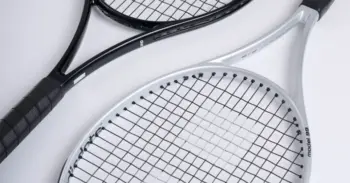
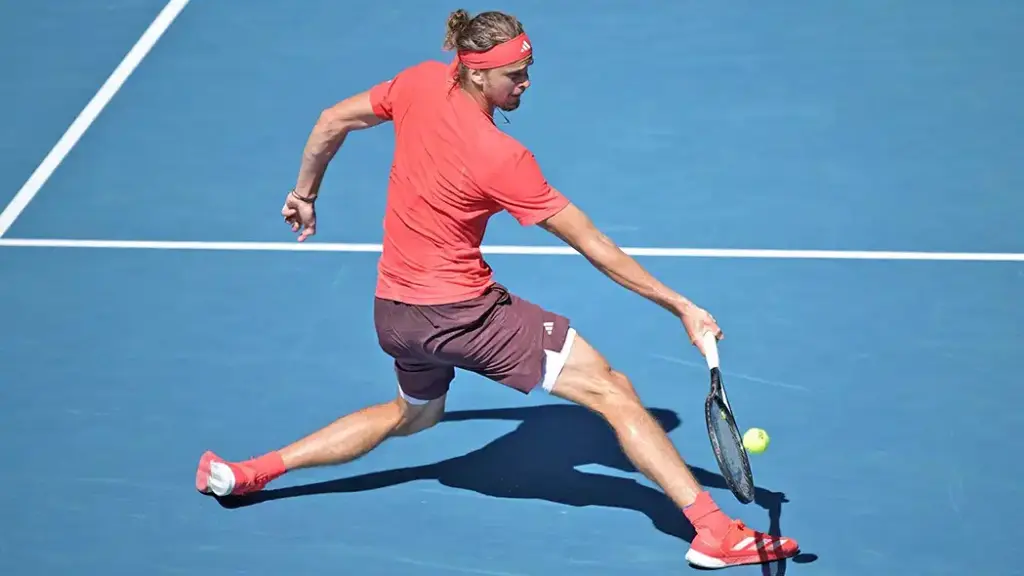
There are a few patterns that have been going for a while on the ATP tour. Let’s have a look at some pro player racquet trends.
Tennis is changing?
Many players discuss the sport’s evolution. Players are stronger and fitter than ever; even very tall guys move well. The return game is overall stronger on the tour; most guys can hit big. Overall, the game feels less strategic and more about the form on the day, both players often playing a similar game style and just waiting for an opportunity to strike big. Going back 15 years, there were stronger styles, more evident weaknesses and you could adapt your game plan more to your opponent.
All this has changed the need for more help from the equipment. Before, pro tennis players were all about control. These days, most pros seem to look for more effortless power and forgiveness when defending.
Some of it may be due to the balls.
New balls? Bad balls.
The complaints about the quality of tennis balls stay consistent since after the pandemic. Almost everyone seem to agree that the balls simply don’t last as long and go dead quicker. Some might argue it is due to everyone hitting bigger and using more powerful racquets with more top spin, but the complaints are not only on the pro tour but also among many club players.
If the balls go dead quicker, you need more help to finish a point. The pros change balls after nine games (and the first seven due to the warm-up). Maybe they need to change that to seven overall to make sure the balls are a little fresher? For amateurs, we are stuck with the same balls for one session. Some even play them for longer than a session. But if you hit decently strong, you will want new balls after two hours. This makes tennis quite expensive considering you have expensive court fees and new balls every time you play.
But for the pros, the bad balls mainly accelerate the need for more power from their racquets and strings.
Slooooow courts
Court speeds are converging. Alex Zverev made a salty comment that tournament organizers go for slower courts to help Sinner and Alcaraz win more titles. However, the slowdown of courts has been ongoing since before Alcaraz and Sinner emerged on the scene. It started as a reaction to “serve bots” like Ivanisevic, Karlovic, but also guys with more multifaceted games who could back it up with a strong serve, Sampras and Roddick. For a while, tennis points at the top level were short and uninspiring consisting of lots of aces and unreturned serves. So the change to slower courts made sense to make tennis better to watch.
This may be an overcorrection that needs to be adjusted slightly. Federer mentioned this in a recent interview on the Served podcast, that he thinks there needs to be more variety in court speeds again. It will create a more interesting and varied gameplay experience, and will also present a more significant adjustment to the players.
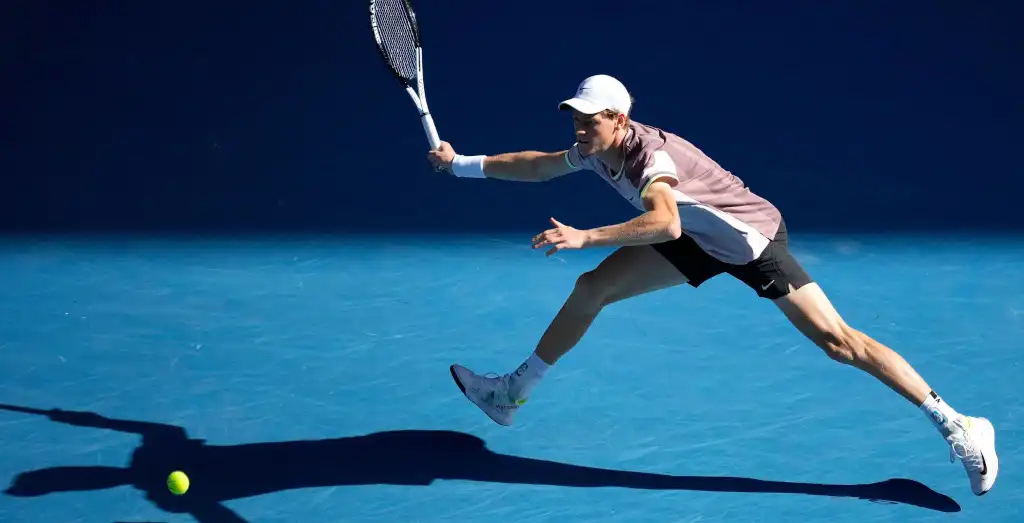
Faster racquets
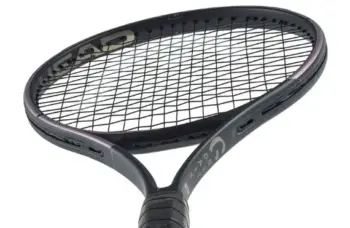
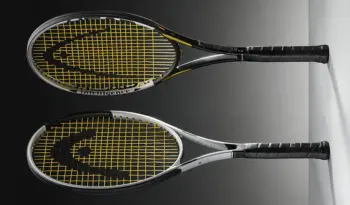
It sounds pretty silly to say “faster racquets”, as if the racquet had an engine, but it does make a good counterpoint to the slow courts. The faster racquets in this case mean more aerodynamic racquets (Aeros and VCOREs), but also more powerful racquets. This does not imply a higher swing weight, as that slows down the racquet, but rather higher stiffness and larger racquet heads.
Swing weights are overall going down, the new average in the top 100 is allegedly something like 335 strung (305 unstrung), which is lower than it has been before.
The game has speed up and you need to be able to swing and accelerate the racquet faster to keep up.
Lower tensions
In the search for more power and forgiveness (and comfort), tensions are dropping. Even pros who play natural gut hybrids are going lower in tensions overall. Yes, Djokovic is still playing high and Sinner is also around 60 lbs even with a full bed of poly, but on average there are many players stringing in the 45-50 lbs range.
The lower tension gives you a larger sweet spot, more depth (a better word than power in this case) and improved comfort. The downside is a lack of control, but this is compensated for by the faster swing and increased spin.
Summary
Like all things, tennis is evolving. It will move with the times, react, but also re-react to overcorrections. We may see improved ball quality and greater diversity in court speeds in the years to come. How will the ATP handle the increasingly demanding tournament calendar? Many players are complaining about the number of events they need to play every year (the 1000s are mandatory). Will there be an adjustment?
These are obviously things happening on the pro tours and will not necessarily affect club players. But the inspiration to lower your tension to help deal with the new state of tennis balls can also be a good idea for club players. We are definitely seeing a more substantial interest in all levels of tennis to use good racquets that are more powerful and spin-oriented. You can read about some exciting racquet releases for 2026 here.