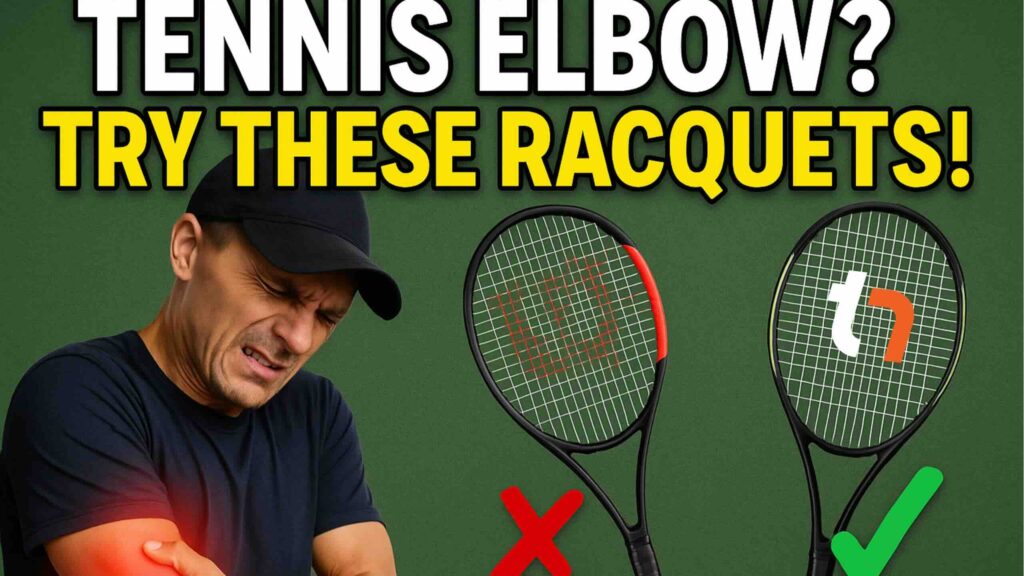
What Makes a Racquet Comfortable? Here is a quick guide to the best comfort racquets. If you’ve followed our series on racket categories such as power, control, spin, you knew this one was coming.
Tennis is a physical game. It demands speed, strength, and repetition. Unfortunately, that repetition, especially with the wrong gear, can lead to tennis elbow, wrist soreness, or shoulder pain. But there’s good news: you can absolutely make smarter gear choices to reduce the strain.
What Is a Comfort Racquet?
A comfort racquet is designed to absorb shock and reduce vibration. When you hit a ball, energy travels through the frame into your arm. If the frame is stiff and the ball shoots off the string bed too quickly, that energy has nowhere to go and your arm takes the hit.
In contrast, a flexible racquet allows the ball to stay on the strings a bit longer (called dwell time), giving the frame time to absorb more of the shock.
Still, that does not mean that all stiff racquets are bad for the arm and all flexible racquets are good. It depends on many factors such as where the racquet flexes, where the weight is located, how it balances and, most importantly, how you string it. The strings make a big difference and we discuss that towards the end of the post.
Pretty much all modern racquets have some kind of dampening technology, which mutes vibrations. Some technologies are more successful than others, though.
Find the below mentioned tennis racquets at our partners here:
- Tennis Warehouse (US, Canada)
- Tennis Warehouse Europe (10% off with code TNERD10)
- Tennis Only (AU)
- HEAD official website (USA)
- Wilson official website
- Racketspecialisten (Sweden)
- Tennis Point (UK): (Germany, Spain, Italy, France).
My Top Picks for Comfort Racquets
If you’re looking for comfort-first frames, these are leading the way:
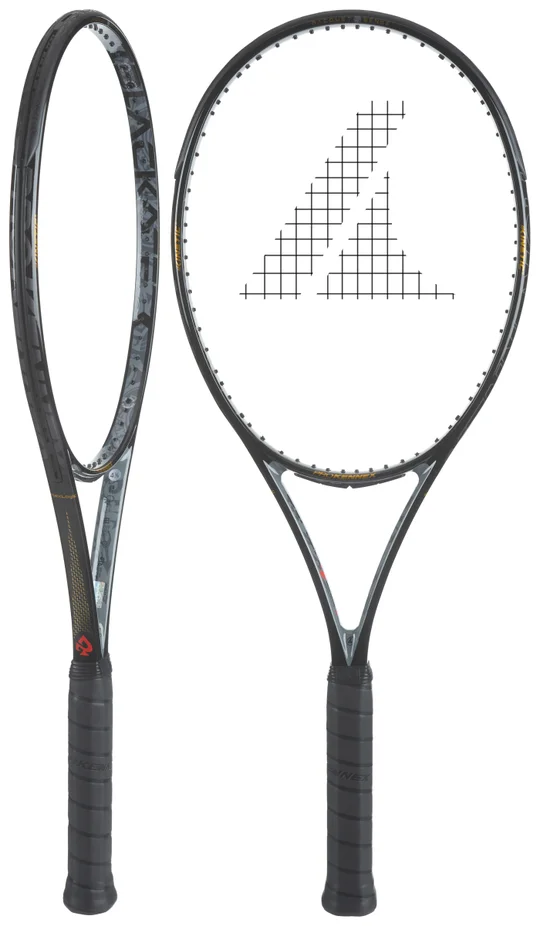
ProKennex Black Ace Pro
One of the most arm-friendly racquets I’ve ever used. It features Kinetic technology, where tiny microbeads move toward the impact zone to absorb shock. Shake it and you’ll hear them—like a maraca built for tennis health.
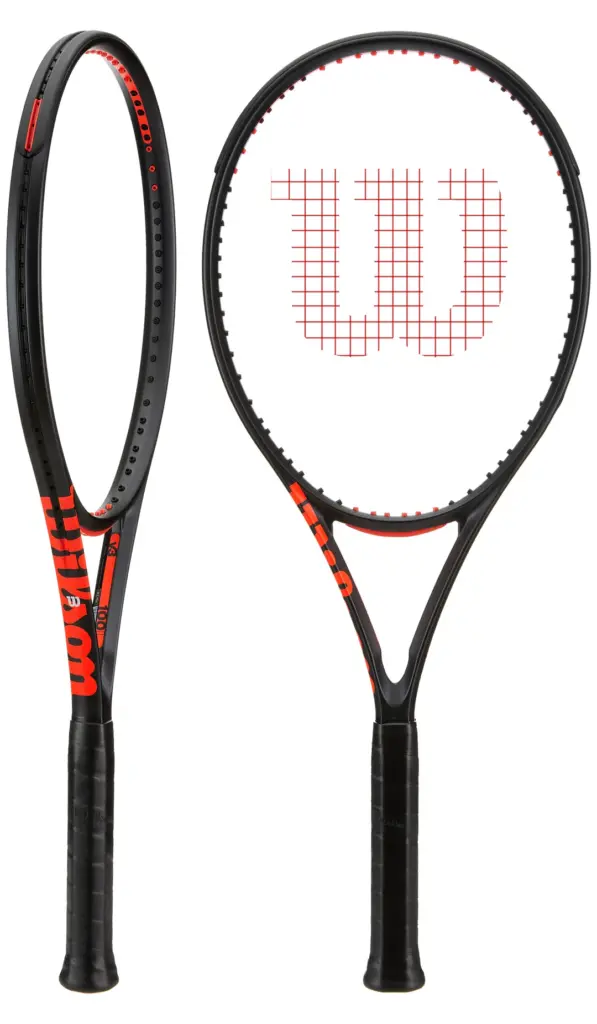
Wilson Clash 100
This series remains a benchmark for comfort. Its low stiffness and high dwell time make it a go-to for players looking to reduce arm strain.
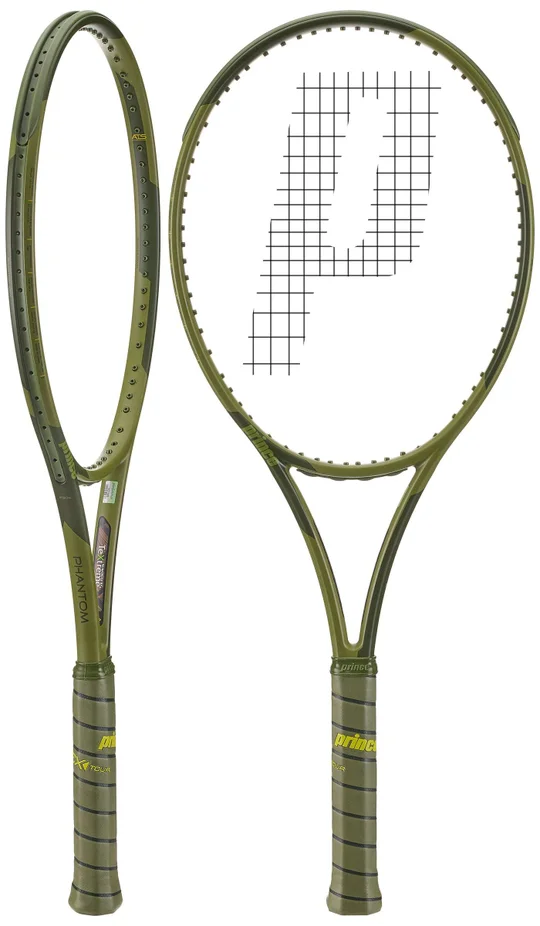
Prince Phantom 100X (305g)
A plush-feeling frame that also offers good control and maneuverability.
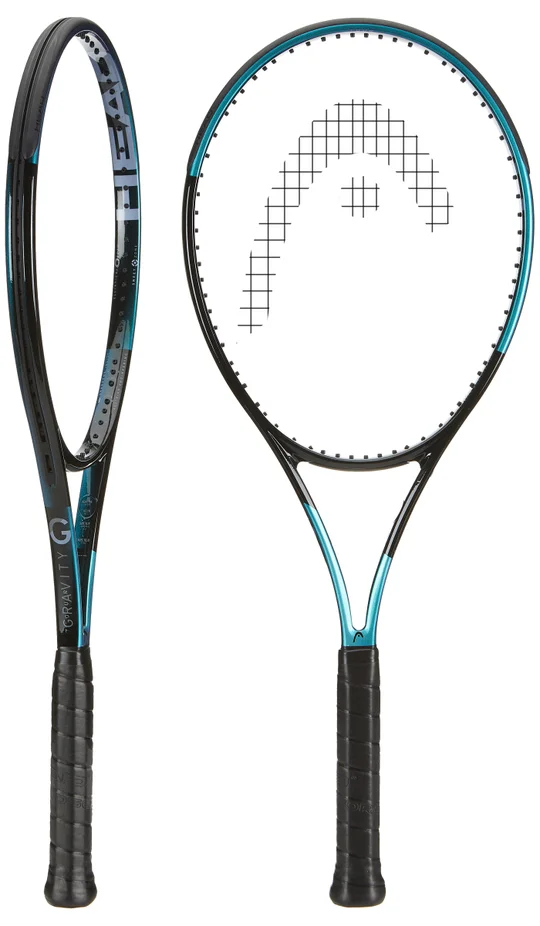
HEAD Gravity MP
Soft feel, generous sweet spot, and great shock absorption.
Why Do Flexible Frames Feel Softer?
Frames like the Clash or Black Ace have low RA (flex) ratings and often require higher twist weight to maintain stability. The trade-off is the trampoline effect, the ball compresses into the string bed and springs off with power. That’s great for comfort, but sometimes less predictable for control.
So you might gain softness and arm safety… but lose some precision or speed. It’s a trade-off, and one only you can judge depending on your style and health.
Strings Matter—A Lot
Let’s not forget: your string setup can make or break your arm.
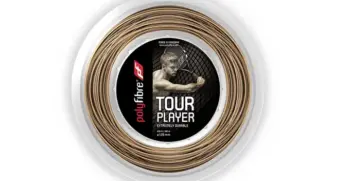
If you’re using stiff polyester strings like:
…you may be asking for trouble, especially if you string them above 50 lbs (22.5 kg). These strings are built for durability and spin, but they’re also extremely harsh on the arm.
What to Use Instead:
- Softer polyester options (many newer models aim for both comfort and spin)
- Hybrid setups (poly mains, multi or gut crosses)
- Full beds of multifilament or natural gut
These changes alone can make a huge difference. Even if you love poly strings, consider lowering the tension or mixing them with something softer.
The Trade-Offs: A Personal Note
When I’ve had issues with my arm, I’ve had to go from my usual powerful setup to something more forgiving. It means working harder for your shots—spending more time crafting points rather than blasting winners. But it also keeps you on the court, which is the goal.
I know players who have switched to 100 sq inch comfort racquets and experienced higher launch angles, while others stick with 97 sq inch frames for more control. It’s all about finding your balance between comfort, control, and power.
Final Thoughts
If you’re struggling with pain—or just want to play more tennis, more often, without fear, comfort needs to be a priority. That might mean a softer frame, lower tension, or a smarter string setup. And that’s okay. Winning fewer points today is worth it if it means playing for years to come.
Check out the gear I mentioned above and visit our DEALS page for discounts on comfort racquets, strings, and more. If you have questions about gear, pain, or setups, drop them in the comments – I’m always happy to help.
And as always, don’t forget to play some tennis.