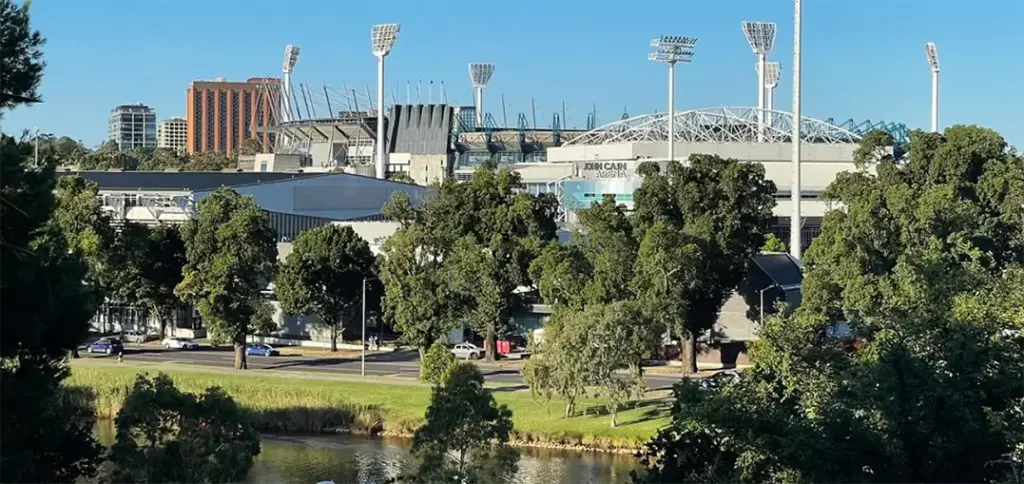
The first Grand Slam of the year is almost here, and the 2026 Australian Open is set to be bigger than ever. Finally the holidays are over and we can get back to some serious tennis action.
While the main draw action at Melbourne Park officially runs from January 18 to February 1, the tournament has now evolved into a three-week festival. This year, the main update is the expanded “Opening Week,” with a lot of entertainment and new features.
The New Opening Week
The AO Opening Week (January 12–17) has become a headline event in its own right. For the first time, the entire Melbourne Park precinct is open to the public from the very start of qualifying. The qualifying matches are sometimes the most exciting to watch, where 128 men and 128 women battle for a priceless spot in the main draw, and we can now watch them much cheaper than a regular session ticket.
Beyond the qualifying matches, Opening Week features “Open Practice” sessions at Rod Laver Arena, where you can watch the players up-close in training. The 2026 schedule also includes the “1 Point Slam,” a fast knockout competition where pros and amateurs compete for a huge prize, and of course the inaugural AO Opening Ceremony on January 17th.
For families, note that the first day of the Opening Week is free for all children. See more official info and updates here.

Why It Is Called the “Happy Slam”
The Australian Open is famously known as the Happy Slam, a nickname coined by Roger Federer. The title reflects the unique atmosphere in Melbourne: players are refreshed after the off-season, the Australian summer sun is shining and the fans are notoriously laid-back and enthusiastic.
Unlike the more traditional vibes of Wimbledon or the high-pressure intensity of the US Open, the AO feels like a giant garden party. With the “Grand Slam of Asia-Pacific” status, it prides itself on being the most player-friendly tournament, offering world-class facilities and a festive “fan-first” environment that keeps everyone smiling despite the heat.
Historical Fun Facts
The tournament hasn’t always been the blue-court spectacle we know today. It began in 1905 as the Australasian Championships and was originally played on grass courts. For more than 80 years, the event remained a grass-court tournament before a major transformation in 1988, when it moved from the Kooyong Lawn Tennis Club to its current home at Melbourne Park. That move also marked the switch to hard courts.
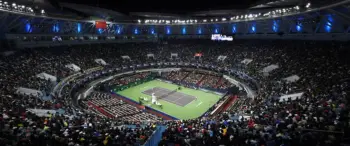
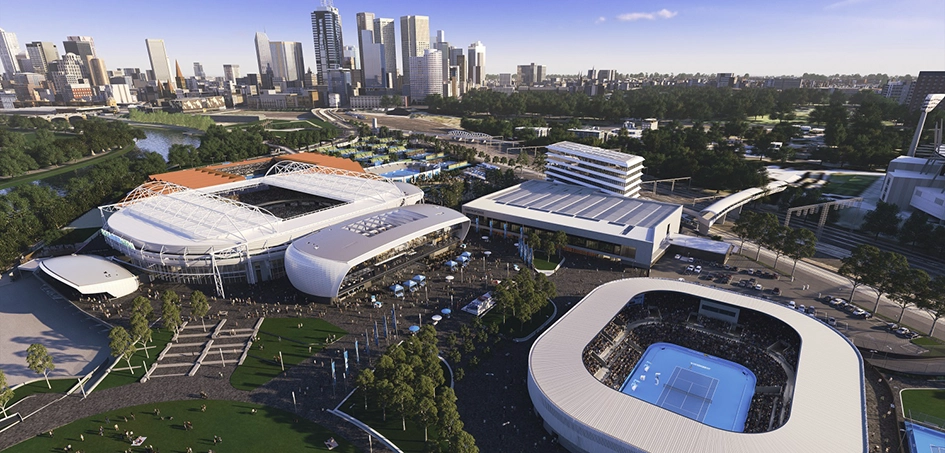
The 1988 tournament was groundbreaking in another way as well. It became the first Grand Slam to feature a retractable roof, installed on Centre Court (later renamed Rod Laver Arena in 2000). Over time, Melbourne Park expanded its weather-proofing, and today the Australian Open stands alone as the only Grand Slam with three main stadiums, Rod Laver Arena, Margaret Court Arena, and John Cain Arena, all equipped with retractable roofs. This ensures play can continue despite Melbourne’s rain or the infamous summer “Big Heat.”
Current Records and Milestones
Heading into 2026, the Australian Open record books are packed with remarkable achievements. Novak Djokovic holds the record for the most Men’s Singles titles, with 10 championships, while Margaret Court remains the all-time leader in Women’s Singles with 11 titles, a mark that spans both the pre-Open and Open eras.
The tournament continues to set records off the court as well. In 2025, the Australian Open became the most attended Grand Slam in history, welcoming over 1.2 million fans across the event. With the 2026 prize pool reaching a record A$111.5 million, the stakes have never been higher.
More AO fun facts:
Youngest and Oldest Champion:
Ken Rosewall holds a unique place in Australian Open history, having won the men’s singles title as both the youngest champion (18 years old) and the oldest champion (37 years old).
Late-Night Legends:
One of the tournament’s most memorable battles came in 2008, when Lleyton Hewitt and Marcos Baghdatis played until approximately 4:34 AM, the latest match finish in Australian Open history.
Extreme Conditions:
To protect players from Melbourne’s intense summer heat, the tournament uses an Extreme Heat Policy and Heat Stress Scale. When temperatures soar, often approaching or exceeding 40°C, matches may be suspended or stadium roofs closed to ensure player safety.
Check back on Tennisnerd for more tournament info and Main Draw analysis when we get closer to the event.