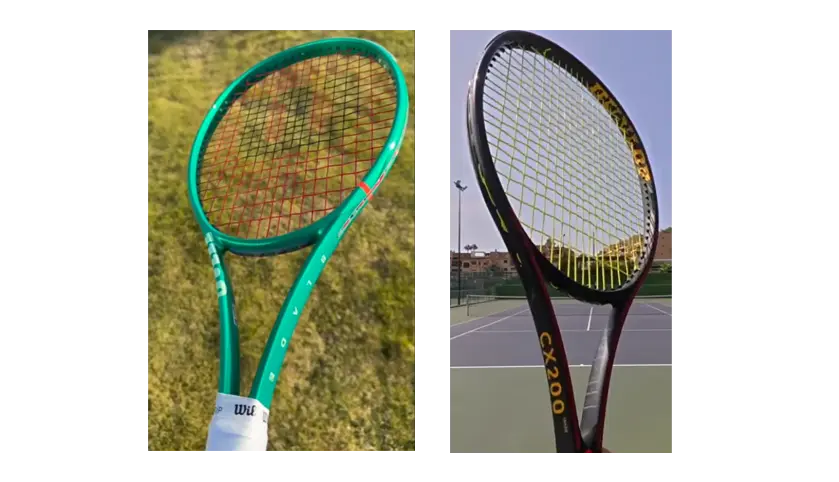
Both the Dunlop CX and Wilson Blade are serious control racquets built for players who want precision over power. But they approach that mission differently, and the distinctions matter more than you might think.
I’ve tested the latest versions, the Dunlop CX 2027 and Wilson Blade V10, and here’s what I found.
The Philosophy Divide
The Blade is more minimalist. It gets out of the way and lets your technique shine. The comfort is top-notch, with a dampened feel.
The CX is slightly more modern. It still asks you to drive the point, but it gives you a bit more help thanks to its higher stiffness. The new 2027 generation moves away from being so light in swing weight and does not require the same amount of customization.
Both are aimed at advanced players. But the Blade is slightly more demanding, while the CX is slightly more forgiving.
Stability and Feel
The Blade V10 improved stability compared to V9, but only incrementally. You’re still working with a relatively demanding racquet that requires careful technique. Off-center hits will still remind you that you missed the sweet spot.
The CX 2027 sweet spot feels a tad more generous. The new mold comes in around 320 low strung right out of the box, and I added just a touch of weight at 3 and 9. You can hit slightly less perfectly and the racquet won’t punish you as harshly. The feel is more raw in the CX.
Power and Launch Angle
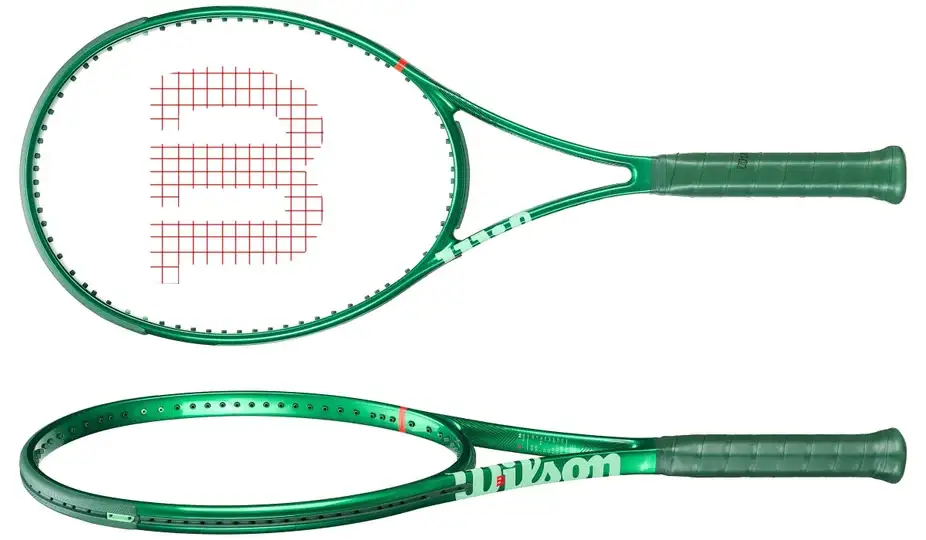
Both are all precision instruments, but the Blade has a tad more control, while the CX has a bit more power. There are small margins for these types of racquets. The launch angles are both relatively controlled and the string patterns pretty similar. The CX might be a tad more spin-oriented. For both racquets, you have the options of going 18/20 for max precision or 16/19 for a bit more launch and free depth.
Stock Specifications Matter
This is important, the old CX 200 could be brutally light in stock form – you’d often need to add 4-5 grams or more in the hoop just to get it playable. That meant the frame was unfinished and demanded customization.
The new CX 200 comes at a much healthier swing weight (low 320s) and is ready to play immediately. You might add a touch more weight for stability, but you’re not rebuilding the racquet.
The Blade has always been relatively consistent in weight and it’s ready to play, but demanding.
String Patterns and Spin
Both come in multiple string patterns. The CX 2027 now comes in both 16×19 and 18/20, same as the Blade 98.
16×19 vs 16×19, they’re similar: open enough for good spin access, but tight enough to direct the ball. The 18×20 is tighter and more demanding – it’s a niche tool for players who want absolute precision and don’t mind the work.
Maneuverability
The Blade feels a little more substantial in the hand, while the CX 200 feels a smidge faster. Again, the main differences are in the feel department.
Recovery and Forgiveness
The Blade expects precision, off-center hits sting. The sweet spot isn’t huge and you need good footwork, timing, and technique. If you can deliver, the Blade will organize your shot beautifully. If you’re late or out of position, it shows.
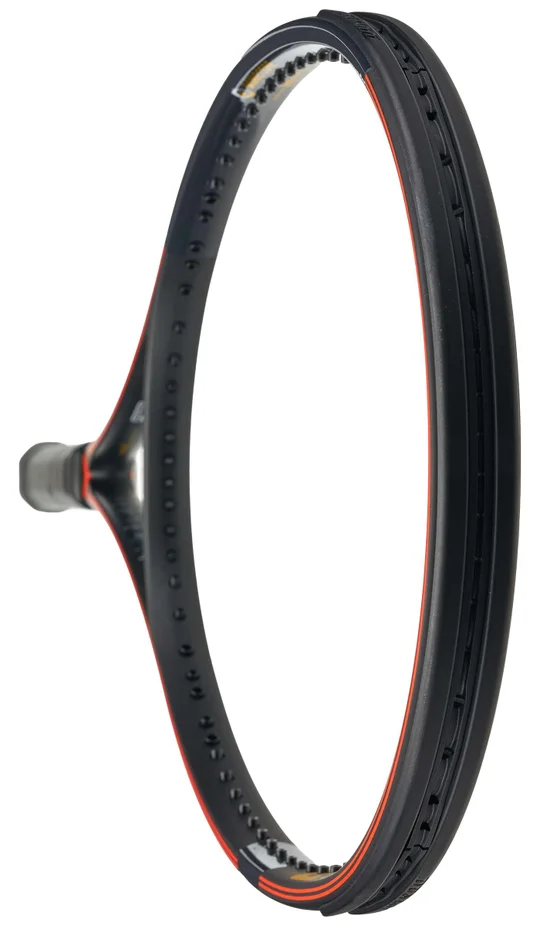
The CX 2027 is slightly more forgiving. The thicker beam and improved mold mean you get away with slightly less perfect contact. You’re still in control – this isn’t a racquet that adds power on mishits – but you’re not punished as harshly.
I actually tested the CX 200 in ITF Masters tournaments. I won’t take a racquet into competitive play unless I trust it. That I did speaks to how solid and reliable the new CX feels.
The Blade would also work in tournaments (players at the highest level use it), but it demands more from you.
Who Should Choose the Blade?
The Blade V10 is for:
- Advanced to elite players (4.5+)
- Players with exceptional technique and footwork
- Those who want minimalist feedback
- Players who enjoy the challenge of generating everything themselves
- Flat hitters who like lower launch angles
- Players who value tradition (the Blade line is iconic)
Who Should Choose the Dunlop CX?
The CX 2027 is for:
- Advanced players (4.0-4.5+) who want control but also help
- Players who want a control racquet but need realistic power
- Those who prefer stock specifications that work without heavy customization
- Players who appreciate a bit more forgiveness without losing control
- Anyone who values stability and doesn’t want to fight the racquet
- Intermediate-advanced players who are serious but not necessarily elite
The Real Comparison
Playing both side-by-side, here’s what I found: Compared to the Wilson Blade 98 16×19, the CX 200 gives me a little more power and feels more stable. I also find it slightly less muted than the current Blade, which makes it easier to feel what the ball is doing on contact.
My first impressions? I prefer the Dunlop. But if I were looking for a comfort-first racquet, then I feel the dampening in the Blade does a better job.
Stringing Advice
Blade: I want something that won’t dull the feel. A slightly firmer string like Alu Power, Tour Bite or Toroline A5 at a lower tension (48 lbs or so) works well. The Blade responds well to direct tension without becoming harsh.
CX: This frame also does better with a lower tension. I liked it with Toroline Vamos at 47 lbs. But it is not very string sensitive, just don’t string it too high.
Video Reviews
The Verdict
Both are excellent control racquets. The Blade is the minimalist choice – it trusts you completely. The CX 2027 is the modern control choice – it maintains precision while offering realistic help.
If you’re a technical perfectionist who wants zero interference, the Blade wins. If you want control with practical power and stability, the CX 2027 wins.
For most intermediate-advanced players (4.0-4.5), the CX 2027 is probably the smarter choice. You get control, you get help, and you get a racquet that works out of the box.
For elite players or those who thrive on technical challenge, the Blade remains a classic for good reason.
The safest advice: demo both if you can. The feeling difference is real, and personal preference matters more than specs when both racquets are this good.
And remember that both the CX and the Blade have 100 sq inch versions, which are more forgiving, powerful and still provide good control. You can find them in my recommendations for intermediate players.
Which is your favorite among these two control frames? Let us know in the comments below.
Buy them here:
- Dunlop CX at Tennis Warehouse Europe (discount code TNERD10 for 10% off)
- Dunlop CX at Tennis Warehouse (US, Canada)
- Wilson Blade at Tennis Warehouse Europe
- Wilson Blade at Tennis Warehouse