
Competing at a tennis tournament away from home requires preparation that goes well beyond hitting balls the week before. Travel logistics, gear management, physical recovery, and mental readiness all need attention before you ever step on the court. The following breakdown covers what every tennis player should know before traveling to a tournament, whether you’re heading to a regional event or an international competition.
Planning Your Tournament Travel Timeline
Getting your timeline right sets the tone for everything else. Rushed arrivals rarely lead to strong first-round performances.
Building in Time to Acclimate Before Matches
Arriving two to three days before your first match gives your body time to adjust to a new climate, altitude, or surface. That adjustment period also helps you become familiar with the tournament venue, nearby practice courts, and local conditions before competition begins. Players who skip the acclimation period often blame their form when small environmental differences are actually affecting timing and ball control. Use your first hitting session to rally at a controlled pace, focusing on consistency, trajectory, and movement rather than power.
Courts in humid coastal cities play very differently from dry inland ones, and your footwork and stamina will reflect that difference if you haven’t adapted. Use arrival days for light hitting and court walks rather than intense training. Also be aware that some tournaments use non-pressurized tennis balls instead of standard pressurized ones, so checking the tournament regulations in advance allows you to prepare with the correct equipment before match day.
Booking Travel and Staying Connected on the Road
Booking flights, accommodation, and transportation as early as possible helps reduce unnecessary stress before competition. Staying close to the venue also minimizes commuting on match days, allowing you to focus on recovery and preparation instead of traffic or unfamiliar routes.
Many players also rely on public Wi-Fi while traveling to confirm tournament schedules, access cloud-based documents, manage banking, or communicate with coaches and family. Using a reliable vpn when connecting through airports, hotels, cafés, or tournament facilities helps encrypt internet traffic and adds an extra layer of privacy on unsecured networks. This can be particularly useful when accessing personal accounts, storing digital copies of travel documents, or checking online registrations while moving between different countries and venues.
Packing Your Tennis Gear the Right Way
What you bring, and how you pack it, directly affects how prepared you feel stepping onto the court.
Rackets, Strings, and Backup Equipment
Bring at least three rackets, all strung to your preferred tension. Tournament stringing services can become busy, especially during larger events, so having pre-strung backups eliminates unnecessary stress if a string breaks before a match. Pack spare grips, dampeners, and extra strings regardless of the tournament level.
If you’re competing at higher altitudes, consider slightly increasing your string tension to compensate for livelier playing conditions. This adjustment can help improve control while maintaining confidence in your shots. It’s also worth checking whether the tournament uses high-altitude balls, as practicing with the same type beforehand can make the transition much smoother.
Footwear for Different Surfaces
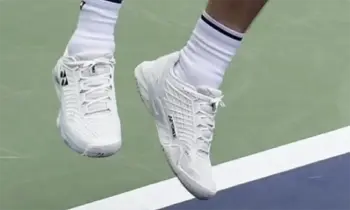
Surface-appropriate footwear is non-negotiable, but the differences go beyond simply choosing clay or hard-court shoes. On red clay, herringbone tread patterns provide better grip while allowing controlled sliding. Hard-court shoes offer greater durability and lateral support for abrasive surfaces, while grass-court footwear is designed to improve traction without damaging the court.
Many club-level tournaments in the United States are played on Har-Tru rather than traditional European red clay. Although both are clay surfaces, movement, sliding, and ball behavior differ enough that practicing on Har-Tru before competition can provide a noticeable advantage. Checking the weather forecast before departure is equally important so you can pack appropriate layers for changing temperatures throughout the day.
Carrying Gear as Carry-On vs. Checked Luggage
Whenever possible, keep your rackets in your carry-on luggage. Sports equipment occasionally gets delayed or damaged during air travel, and losing your primary rackets before a tournament can seriously disrupt your preparation. If your racket bag exceeds standard cabin limits, review your airline’s sports equipment policy before departure to avoid unexpected issues at the airport.
Handling Tournament Logistics and Paperwork
Confirming Entry, Draws, and Check-In Requirements
Verify your tournament entry directly with the organizer several days before traveling. Some events enforce strict sign-in deadlines, and missing them may result in losing your place regardless of when you registered. Make sure you know your check-in procedures, player meeting times, and when draws are expected to be released.
Understanding Tournament Rules, Schedules, and Court Assignments
Treat published match times as estimates rather than guarantees. Weather delays, extended matches, and scheduling changes can alter the order of play throughout the day. Preparing for that flexibility allows you to manage your warm-up, nutrition, and recovery more effectively.
Develop a pre-match routine that gives you enough time to warm up physically, complete administrative requirements, and stay mentally focused without rushing. Players who remain adaptable throughout tournament days generally cope better with unexpected schedule changes than those who rely on fixed routines.
Travel Documents, Visas, and Insurance
For international tournaments, check visa requirements well in advance, as processing times vary between destinations. Travel insurance that covers medical emergencies, trip cancellations, and lost baggage is also worth considering, particularly when traveling with valuable tennis equipment. Keep digital copies of your passport, insurance information, tournament confirmation, and other important documents stored securely in cloud storage so they remain accessible if physical copies are lost or delayed.
Staying Match-Ready While on the Road
Managing Jet Lag and Time Zone Changes
Adjust your sleep schedule a few days before departure if you’ll be crossing multiple time zones. Once you arrive, spend time outdoors during daylight hours to help your body adapt to the local schedule. During long flights, prioritize hydration, move regularly around the cabin, and avoid habits that may interfere with quality sleep so you arrive feeling as refreshed as possible.
Eating and Hydrating for Performance During Travel
Nutrition often becomes more challenging while traveling, making preparation especially important. Try to finish larger meals several hours before you expect to compete, and rely on familiar, easily digestible snacks as your match approaches. Packing your own food ensures you aren’t dependent on limited options at airports or tournament venues.
Consistent hydration should begin during your journey rather than immediately before stepping onto the court. Air travel and changing climates can contribute to dehydration, so drinking water regularly throughout the trip helps maintain energy levels and supports recovery before your first match.
Protecting Your Body and Health on Tour
Preventing Injury and Packing a Recovery Kit
Long periods of sitting during flights or car journeys can leave your hips, hamstrings, and lower back feeling stiff before competition. Gentle mobility exercises after arriving at your destination and short walks throughout your journey help reduce that stiffness and prepare your body for training.
A compact recovery kit should include athletic tape, blister pads, compression bandages, anti-inflammatory gel, and any personal medications you regularly use. While some tournaments provide medical support, not every event offers immediate access to a physiotherapist, making it worthwhile to carry your own basic recovery supplies.
Sleep Strategies for Away Tournaments
Maintaining a consistent bedtime routine becomes even more important when sleeping in unfamiliar surroundings. Keep your room cool, quiet, and dark whenever possible, avoid prolonged screen use before bed, and try to match your sleeping schedule to your expected match times. Good-quality sleep supports both physical recovery and mental focus throughout the tournament.
Staying Focused and Mentally Prepared Before Competing
Travel inevitably introduces unfamiliar surroundings and small disruptions, but successful players learn to adapt instead of allowing those changes to affect their performance. Developing routines that work both at home and while traveling creates greater consistency from one tournament to the next.
Visualization exercises, controlled breathing, and a familiar warm-up routine can all help create a sense of normality regardless of where you’re competing. Practicing these habits during training and smaller events makes them easier to rely on when tournament pressure increases.
Tournament Travel Checklist
Essentials to Pack
Pack at least three match-ready rackets along with spare strings, replacement grips, and any accessories you regularly use. Bring footwear that matches the tournament surface, weather-appropriate clothing, comfortable recovery wear, and enough socks and shirts for each competition day. Your recovery kit, hydration supplies, familiar snacks, travel documents, insurance information, and any required medications should all be packed before you leave for the airport to avoid unnecessary stress later.
Final Steps Before You Leave
Before traveling, confirm your tournament entry, check-in requirements, draw information, and accommodation details. Review transportation to the venue, verify airline policies for sports equipment, and download offline maps or any tournament applications that may help during your stay. Finally, ensure all important documents have been backed up digitally and let your coach, hitting partner, or family know your travel itinerary so communication remains simple throughout the tournament.
Conclusion
Successful tournament travel is about much more than simply arriving on time with a tennis bag. Careful planning, thoughtful packing, smart recovery strategies, and flexible preparation all contribute to better performances once competition begins. By organizing the details before leaving home, players can spend less energy dealing with unexpected travel challenges and more energy focusing on what matters most: competing at their highest level.