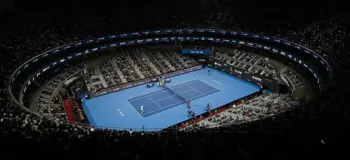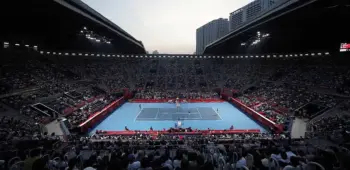
The Australian Open always has that new season, new story energy, but 2026 has felt especially sharp because the draw has narrowed without losing the big names. We’re deep enough into the tournament that form is real, not just a “nice first round win” form, but we’re early enough that one wild swing of momentum can still rewrite the whole ending.
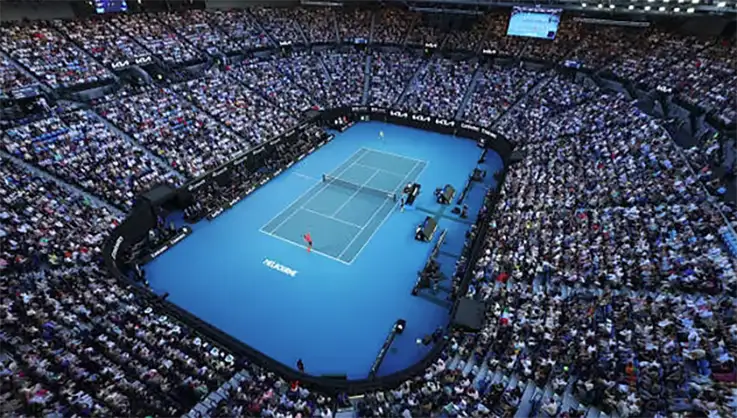
Officially, AO 2026 runs at Melbourne Park from January 12th to February 1st.
The main draw pace gets intense just about now with day sessions and night sessions, fast turnarounds, and because it’s Melbourne, conditions that can go from comfortable to brutal in a heartbeat.
That’s why the quarterfinals matter more than usual for betting and predictions. By this point, you’re not guessing who’s good. You’re trying to figure out who’s still fresh, who matches up well, and whose game holds up when the pressure gets intense.
The Rules of the Road in Melbourne
The set up of the Australian Open is simple. The draw has 128 players, with men playing best of five, and women best of three sets. The hard courts at Melbourne Park reward clean serving, controlled aggression, and fitness, especially when the temperature spikes.
The quarterfinal stage is also where “popular narratives” get tested. A top seed can cruise to week two on reputation and a favorable early draw. But quarterfinals? That’s where you meet someone who has a real plan, real belief, and enough weapons to execute it in a match that can last for two to four hours.
The Favorites Have Mostly Done Their Jobs
On the men’s side, the Stake.com Australian Open expert picks and predictions remain that the front of the draw has largely held, describing Jannik Sinner as the odds on favorite as the tournament moved into the later rounds.
Sportsbooks listed Sinner and Carlos Alcaraz clearly separated from the field for most of the fortnight. On the women’s side, the betting picture has also been pretty direct: Aryna Sabalenka has been sitting in that “front runner” seat, with the next tier of contenders priced like they’ll need to beat her or avoid her to lift the trophy.
The “Danger Players” Are Real
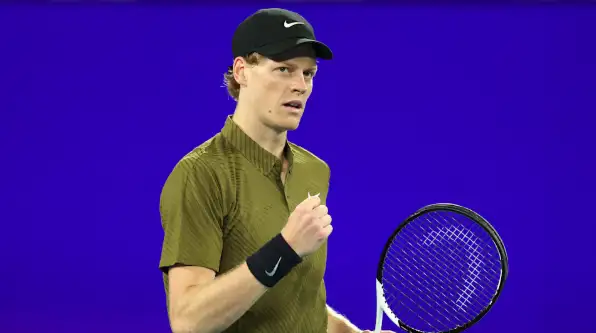
Alex de Minaur has looked like a guy playing with home crowd fuel and actual purpose, smashing Alexander Bublik 3-0 in sets to reach another Melbourne quarterfinal.
On the women’s side, we’ve seen veteran resilience in Elina Svitolina and the kind of match by match confidence that can turn into a real run.
Fitness And Heat Could Change the Course to Finals
One of the sneaky factors in Melbourne right now is how much the tournament is asking physically. The latest weather reports noted extreme heat, warning of the possible fatigue signs even in dominant wins.
The Stake Australian Open sportsbook is emphasizing the weather conditions because late round matches often come down to legs, not talent vs talent, but energy management vs panic.
A Quick Snapshot of the Outright Market
Here’s the simplest way to think about “market movement” at the Australian Open: the odds shorten when a player looks inevitable, and they drift when a player looks vulnerable, injured, or stuck in a brutal section of the draw.
For the men, the winner market has kept Sinner at the top, Alcaraz next, then a big gap to Djokovic and Zverev.
That’s basically saying that Djokovic is still respected as the opponent, but the most likely champion is still one of the two modern players.
On the women’s side, betting markets are pricing Sabalenka clearly ahead of the pack, with Swiatek and Rybakina in the next cluster and a few live outsiders behind them.
The important betting strategy to keep in mind is this, by the quarterfinals, the market is usually right on outright winners. The better value often shows up in match markets, especially totals, handicaps, and set betting because matchups are where style clashes create edges.
Quarterfinal Odds on Stake and What They’re Telling You
Let’s get specific with Stake.com lines, because this is where the story becomes real.
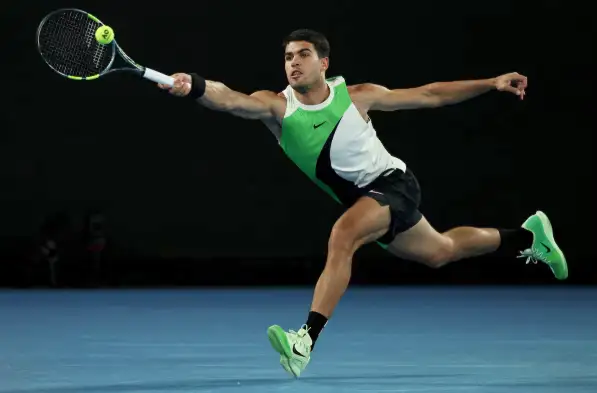
Carlos Alcaraz vs Alex de Minaur is priced like a classic “star vs home hope” matchup. On Stake, Alcaraz is 1.21 and de Minaur is 4.40. Realistically if de Minaur manages to last more than three sets, it would be a success for the Aussie.
Odds are saying that Alcaraz is expected to win the majority of the time, but it also respects de Minaur enough to price him as a real underdog and not a hopeless one.
Lorenzo Musetti vs Novak Djokovic on Stake is priced with Djokovic as the clear favorite at 1.34, and Musetti 3.30.
- Women’s side: key prices on Stake.com
On the women’s quarterfinal slate, Stake has given us some really readable lines.
Iga Swiatek 1.81 vs Elena Rybakina 2.02. That’s basically a coin flip dressed up as a slight lean to Swiatek.
Amanda Anisimova 1.66 vs Jessica Pegula 2.24. Another strong signal: the book is rating Anisimova’s upside and current level.
Now let’s turn those prices into picks and predictions you can actually use.
Men’s Quarterfinal Predictions and Best Betting Angles
Alcaraz vs de Minaur: the “respect the underdog, but don’t get romantic” match. De Minaur earned this. World sports media described how he smothered Bublik and set up the clash with Alcaraz, noting he’d never beaten him before.
If you’re betting this one, the question is not “Can de Minaur play well?” He can. The question is: Can he win enough free points (serve points, quick holds) to avoid living in long rallies where Alcaraz can turn defense into offense and break his spirit?
Stake’s 1.21 on Alcaraz implies the market expects a clean progression. Alcaraz is the most likely winner, but there are smarter ways to win a bet.
De Minaur to win a set, because the crowd and his speed can spike a set.
Most markets are predicting that Alcaraz wins in four sets, with one set that de Minaur would drag into chaos.
Djokovic vs Musetti is a classic game of “avoid the obvious trap”. Djokovic at 1.34 is short for a quarterfinal, but it makes sense: Novak is Novak, and he’s built for this stage. The danger is assuming that means easy.
Musetti’s best chance is to turn the pace of the match into an exhausting battle, slices, variety, forcing Djokovic to generate pace, and hoping Novak has an off serving day. If Djokovic serves well, Musetti’s path will be much more difficult.
If you like Djokovic, the better value is often in:
Djokovic to win and over a certain games line because even controlled wins can have long sets
“Musetti + games” handicap if you believe in his ability to hang around without finishing. For now the sentiment is that Djokovic wins in straight sets or four, depending on how sharp Novak starts.