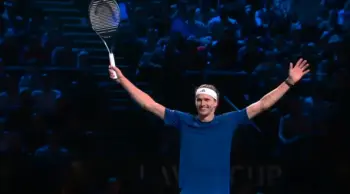
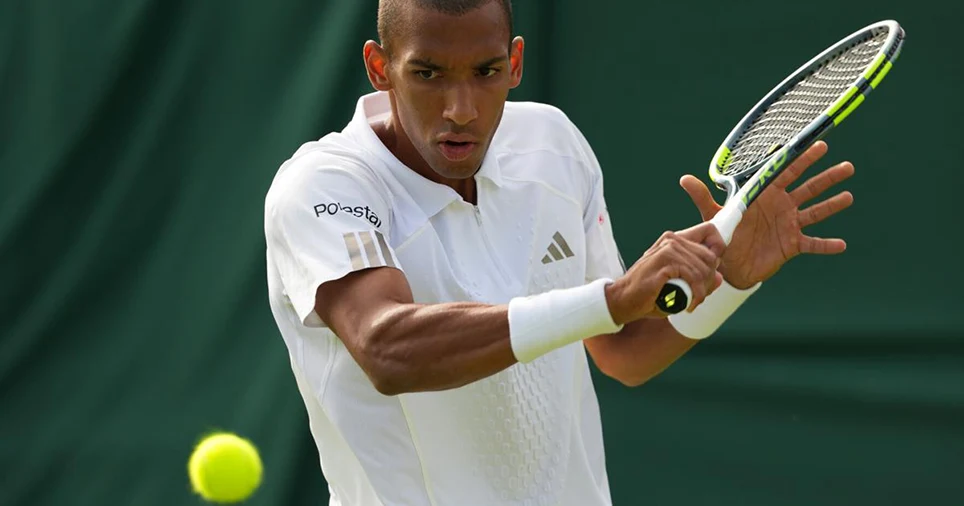
When Felix Auger-Aliassime walked out onto a grass court ahead of the 2026 Wimbledon Championships in a kit that looked like it had been embossed by a machine, most of us noticed. The surface of his shirt wasn’t smooth, it was covered in a raised, textured 3D relief pattern across the chest and upper back, almost architectural in its precision. This is Adidas’s new CLIMACOOL+ technology, and it’s one of many signs of where tennis apparel is heading.
The direction, as it turns out, isn’t just better fabric. It’s rethinking the garment itself – its structure, its architecture, even the question of whether synthetic fibres should dominate at all. Brands are moving from chemistry to engineering, from passive wicking to active cooling systems and from generic performance claims to athlete-specific body mapping.
For serious players, this means the kit you buy today is more capable than anything available five years ago. But it also means there’s more to navigate and understand.
Many of us are spending a lot of time trying to find the best racquets or strings but our tennis apparel is something we should also consider more. So let’s look at this a bit closer: what each approach actually does, which brands are leading it and finally: what to look for when buying new tennis wear?
Note: Some performance claims and feature descriptions come from the manufacturers own published materials and testing. While we’ve researched the underlying technologies, we haven’t personally tested every garment or verified every brand performance claim.
1. Moisture Management: The foundation everything else builds on
Before any of the more glamorous technologies can do their job, the garment has to move sweat away from your skin. This is moisture wicking, and it remains the most important performance function in any tennis wear. But what does moisture-wicking mean?
The physics are simple: synthetic fibres like polyester are engineered with microscopic grooves and channels that draw sweat away from skin via capillary action, the same principle as a paper towel absorbing liquid. Once pulled through the fabric, moisture is spread across a large surface area on the outside of the garment to evaporate. As it evaporates, it draws heat away from your body.
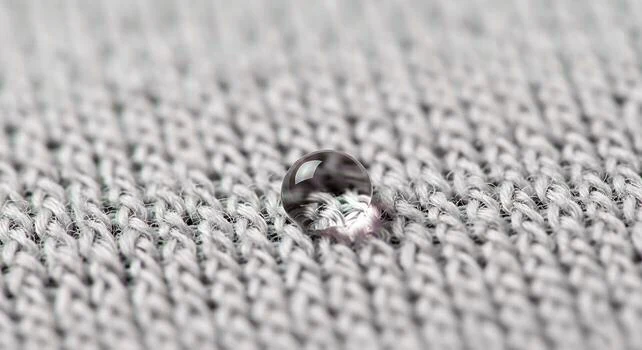
What is Dri-FIT and Aeroready?
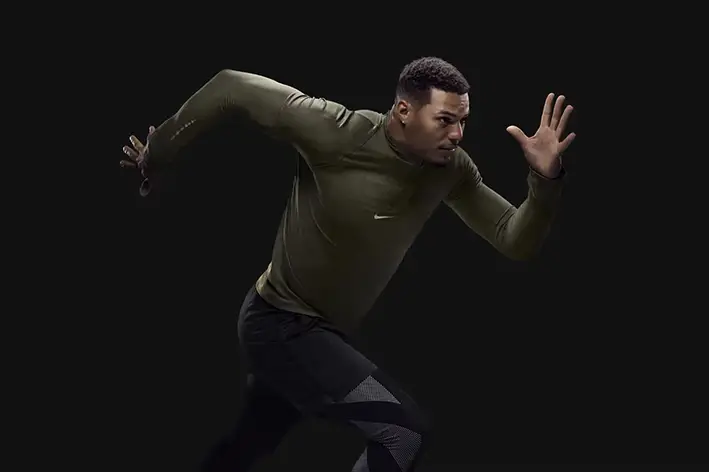
Nike Dri-FIT (launched 1991) is the technology that defined the category and the benchmark everyone is still measured against. Its newer tier, Dri-FIT ADV, goes further by using body-mapping data from Nike’s Sport Research Lab to engineer different materials zone by zone across a single garment – higher-wicking mesh exactly where athletes sweat most during serves and groundstrokes, more structured fabric in other places.
Adidas AEROREADY is another system, a versatile moisture-management fabric that performs well across most conditions and most of the year. When conditions are hot, HEAT.RDY takes over: a more targeted system that uses Aqua-X yarns and ventilation-zone mapping to accelerate evaporation specifically in high-heat situations.
Lacoste Ultra-Dry is built into their performance piqué fabric, the woven textured knit René Lacoste first wore on court in 1926 and commercially launched when he founded the brand in 1933. The modern version uses recycled polyester-elastane blends, and the textured weave itself improves airflow as a structural bonus. It also blocks up to 98% of UVA and UVB rays, a detail that matters far more than most players realise during long matches. Check our post on the latest Lacoste London Collection.
UNIQLO DRY-EX is another one worth looking into. A mesh construction with micro-perforations absorbs and wicks sweat from high-heat zones, and UNIQLO tests their fabrics in a climate simulation chamber at their Tokyo HQ using real tournament weather data. It’s trusted among many. More info on the DRY-EX.
The honest truth about moisture management is that the gap between premium and budget options has narrowed recently. What separates the top tier now is less about basic wicking and more about what the brand has layered on top of it.
Fabric Weight – Lighter isn’t always better
One specification that’s becoming increasingly important, and that many don’t think of, is fabric weight, usually measured in grams per square metre (GSM). In general, lighter fabrics feel cooler, dry more quickly and reduce the sensation of carrying sweat during long matches. That’s why many elite match shirts use lightweight knits in the 100–140 GSM range.
Heavier fabrics, however, often offer better durability, a more premium feel, greater opacity and improved UV protection. They can also drape better and resist clinging once damp. The ideal weight depends on where and how you play: a featherweight shirt may be perfect for a humid summer hard court, while a slightly heavier knit can feel more comfortable during cooler conditions or on clay, where durability matters more.
As with many aspects of tennis apparel, lighter doesn’t automatically mean better , focus on it’s about choosing the right balance for your game.
2. Structural Ventilation and Cooling
This is where things get interesting and where the biggest innovation is happening right now.
Every brand spent decades competing on fibre-level chemistry: better yarns, finer microstructures, more effective treatments etc. Now they move beyond the fibre entirely and ask: what if the garment’s physical structure created the airflow, rather than the material?
Adidas CLIMACOOL+ is the most advanced public example of this thinking, it’s brand new for 2026 and seen on players such as FAA, Zverev, Sakkari, Muchová and Svitolina. The technology uses raised 3D embossed structures physically mapped to where tennis players generate the most heat – chest, upper abdomen, shoulders, upper back.
These structures create a literal gap between skin and garment, allowing air to circulate in that channel and sweat to evaporate far more efficiently than it could against flat fabric.
The key quote from Adidas’s Global Director of Innovation: “Most ventilation-based technologies focus only on fabric. CLIMACOOL+ changes the structure of the garment itself.”
They also combine laser-cut perforations in high-sweat zones and FreeLift underarm construction so overhead motions (serves, overheads) don’t pull. This technology actually debuted outside tennis first: Sebastian Sawe wore a custom Adidas Climacool singlet, built as part of a multi-year co-development project with Adidas, when he ran at the 2026 London Marathon. More on this from adidas.com
Nike Aerogami uses a different but equally clever structural principle. Moisture-reactive film is laminated behind specific fabric panels. When sweat contacts that film, it expands and physically lifts tiny fabric flaps creating a ventilation gap. No electronics, no batteries, purely mechanical. The vents are placed using the same heat-mapping data that informs Dri-FIT ADV construction.
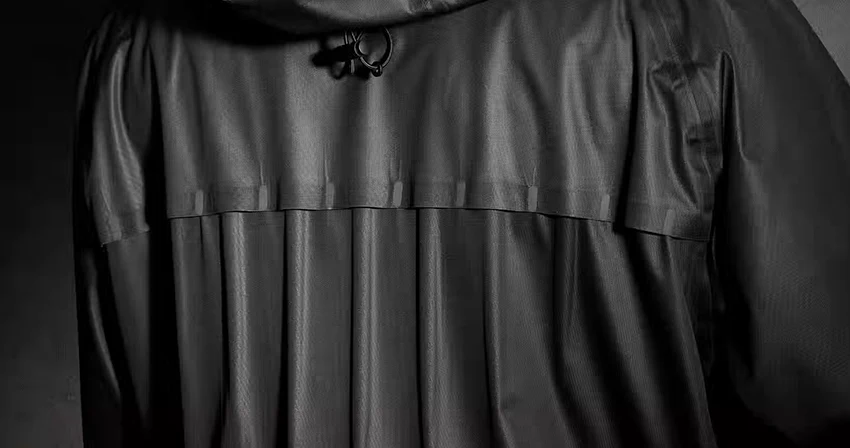
Nike AeroReact goes one level deeper: individual yarn fibres are engineered to change shape in response to heat and moisture. The yarn literally opens its structure when you’re hot to let air through, then closes again when you cool down. It’s adaptive at the fibre scale rather than the garment scale.
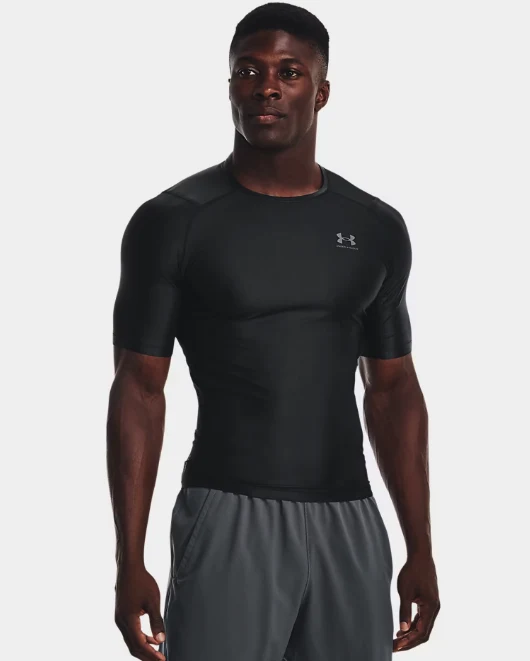
Under Armour Iso-Chill takes yet another angle. Rather than round fibres like conventional performance fabrics, Iso-Chill uses ribbon-shaped nylon fibres that lie flat against the skin to disperse heat more evenly, combined with a titanium dioxide treatment that actively draws heat away from the body, think of the physics of ice pulling heat from a liquid. UA’s own internal testing showed athletes in Iso-Chill took 7–12% longer to reach their VO2 max compared to standard kit.
Construction Matters as Much as Fabric
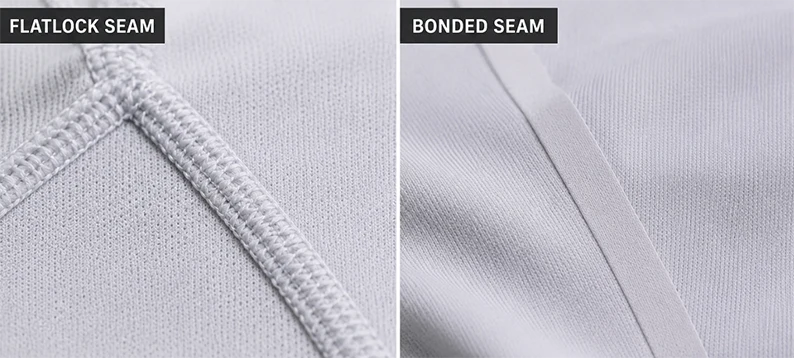
Performance isn’t just determined by the material itself, it’s also shaped by how the garment is put together. Traditional stitched seams create small ridges that can rub during repetitive movements, particularly around the shoulders, underarms and sides of the torso. Many premium tennis garments now use flatlock seams, where panels are stitched together with a low-profile finish that sits almost flush against the skin, reducing chafing over long matches.
Higher-end pieces can also add bonded or welded seams, which replace stitching with heat or adhesive bonding to reduce bulk, improve stretch and create a cleaner finish. Laser-cut hems and bonded edges further minimise friction while shaving small amounts of weight from the garment. These construction details rarely receive the same attention as branded fabric technologies, but actually they’re often what separates a good performance shirt from one that simply disappears while you play.
3. Adaptive and Responsive Fabrics: Materials that react to you
Beyond structure, there’s a category of materials that change their behaviour in response to the athlete’s body state rather than being passively engineered for a fixed performance level.
AeroReact (Nike), covered above, is the most commercially available example. But the more ambitious direction is phase-change materials: micro-encapsulated substances woven into fabric that absorb heat when you warm up and release it when you cool down, working to maintain a stable skin temperature regardless of exertion intensity. These are currently in research and early commercial stages, appearing more in running and cycling than in mainstream tennis apparel, for now…
UA RUSH takes a different approach to the feedback loop: the fabric captures infrared energy emitted by your body during activity and reflects it back into your muscles to promote circulation and recovery. It’s more relevant for training and warm-up than pure match play, but it shows an attempt to make the garment actively participate in the performance rather than just managing its side effects.
Note: Not every proprietary technology has the same level of independent scientific validation. While moisture management and ventilation systems are well understood, some recovery-focused or infrared technologies rely more heavily on manufacturer testing than peer-reviewed research.
Latest from our Tennis Apparel Blog



4. Natural Fibres Making a Comeback
Nobody expected this. For two decades, synthetic fabrics dominated performance tennis apparel so completely that wool, cotton and natural blends were sort of written off as unsuitable for serious players. That assumption is now changing.
Merino wool is the main story in that regard. At the 2025 US Open, Venus Williams returned to the court in a custom kit designed by Brooklyn label LUAR in collaboration with Woolmark. The kit featured a knitted Merino wool mesh dress built around wool’s natural performance credentials: breathability, moisture management, temperature regulation and biodegradability.
The Woolmark managing director’s framing was direct: “Merino wool doesn’t just belong in performance wear – it excels in it.”
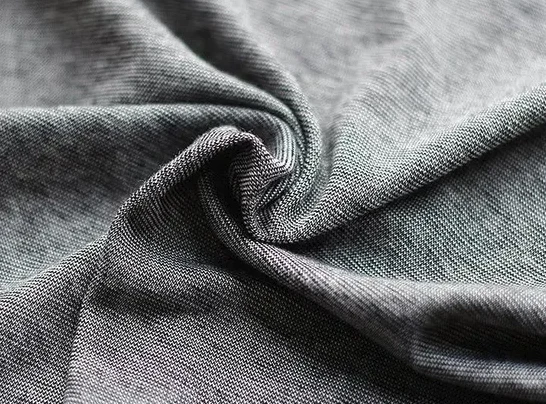
The story here isn’t just nostalgia for natural materials, it’s regulatory pressure. Anti-PFAS (forever chemical) laws are already on the books in New York, California and are spreading across Europe. Microplastic pollution from synthetic fabrics is what it’s all about. Wool is biodegradable, naturally antibacterial (so odour-resistant), and doesn’t shed microplastics. The performance gap versus synthetics has also narrowed dramatically: Optim™ technology from Woolmark produces a dense, water-resistant fabric that outperformed synthetics for temperature regulation in several independent studies.
But of course, premium Merino is expensive and harder to scale than polyester. Williams’s kit was worn in an exhibition, not in a main-draw competition.
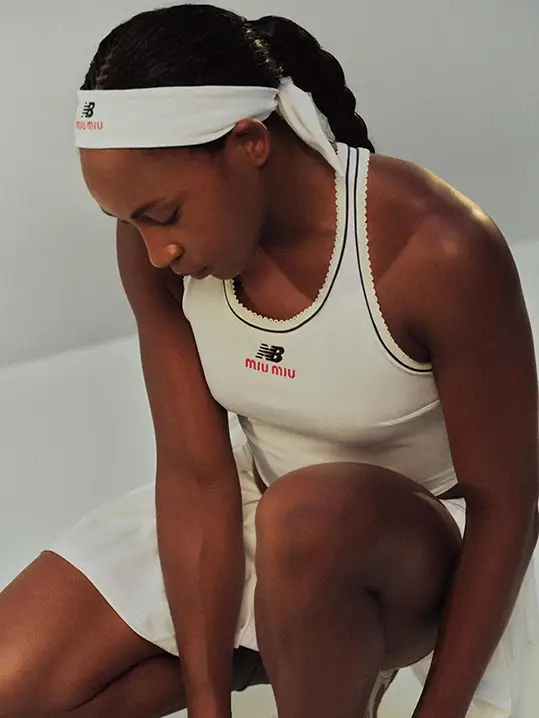
New Balance × Miu Miu’s Silk Tec is a newer addition: a lightweight technical material engineered for breathability, protection and structure, used in Coco Gauff’s Wimbledon 2026 outerwear pieces. It sits at the intersection of performance and luxury, but its technical properties are genuine.
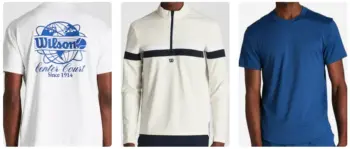
Wilson’s 2026 direction is worth noting too: they’ve shifted away from shiny synthetic fabrics toward matte, premium performance blends that feel closer to natural fibres while maintaining technical performance – they are clearly focusing more on what serious players are actually asking for. See the Wilson 2026 summer collection here.
5. Compression and Muscle Support
Compression garments have been part of sport for decades, but the technology has matured significantly and is now integrated directly into match-day apparel rather than sitting only in separate base layers.
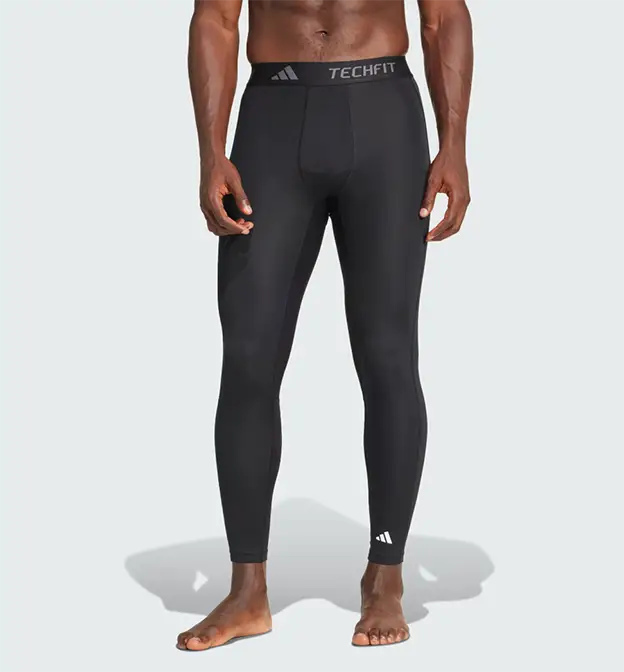
Adidas TechFit uses a compression fabric engineered to wrap specific muscle groups – reducing muscle oscillation (the micro-vibrations that cause fatigue), optimising blood flow and improving oxygen delivery. Worn as a base layer under match tops or as standalone training pieces, the theory is well-supported: reduced muscle vibration means slower onset of fatigue, which makes a bit of difference in long matches.
Nike Pro compression is similar. Four-way stretch Dri-FIT fabric used in shorts liners, base layers and under-dress shorts. The performance benefit is the same, but Nike integrates it more aggressively, particularly for women’s dresses and skirts.
The emerging direction here is higher-stretch blends. Some performance fabrics now incorporate up to 20% Lycra or spandex, which allows proper muscle compression without restricting range of motion. This is relevant for preventing cramps during long matches in heat, where muscle fatigue accumulates faster.
As tennis players we should look for compression that targets the right muscle groups for tennis (quads, calves, hip flexors for the lateral movement demands of the game) rather than generic all-over compression.
6. Sustainability as Performance
This is no longer a separate category. The most sustainable materials are increasingly among the highest-performing ones, and the brands investing most seriously in sustainable sourcing are often doing it precisely because it forces better material engineering.
Adidas Primegreen and Primeblue represent the clearest large-scale commitment: high-performance fabrics made from recycled polyester (Primegreen) or Parley Ocean Plastic – waste collected from coastal areas before it reaches the sea. Full technical performance is maintained, adidas claims, and Primeblue has featured across many pro athlete collections.
Nike’s Move to Zero initiative has resulted in Nike incorporating recycled polyester from plastic bottles across large portions of its NikeCourt line. The 2025 Australian Open collection was the first to go fully recycled-material across the range.
Lacoste’s performance piqué incorporates recycled polyester and manufacturing offcuts, and the brand has committed to Nominated Cotton™ standards for any cotton in the range.
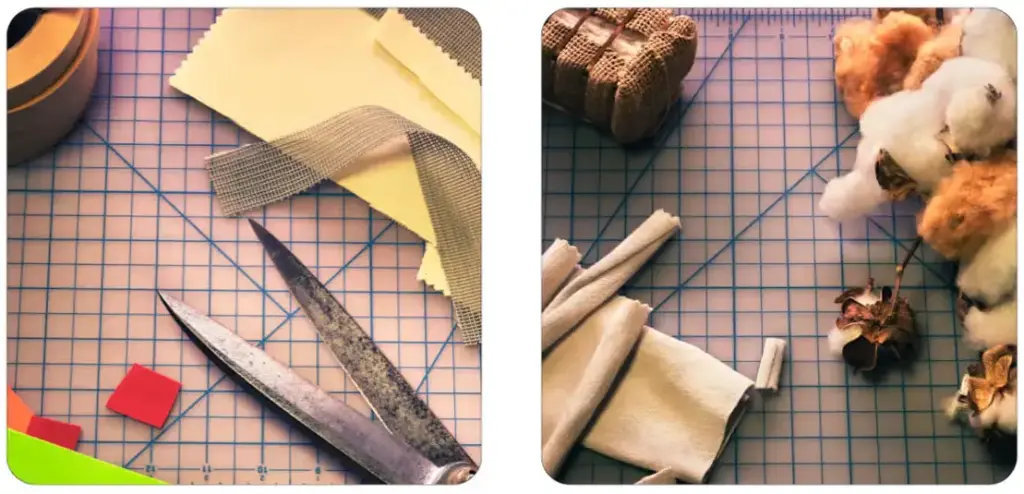
Under Armour acquired a startup specialising in biodegradable sportswear materials in late 2024, signalling a strategic move in this direction that should produce commercial products from 2026 onward.
As EU anti-PFAS regulations tighten and microplastic legislation spreads, brands that have already shifted to recycled and natural materials are ahead of a compliance curve that will eventually affect the whole industry.
7. The Challenger Brands: What the smaller players are doing differently
The big brands have the budgets and the pro endorsement infrastructure for all of this. But some of the most interesting apparel technology in tennis right now is coming from brands that entered the sport without the legacy constraints and are designing for performance without needing to protect a heritage identity.
Lululemon developed ShowZero™ specifically for tennis in collaboration with Frances Tiafoe – a yarn-level innovation that modifies how light interacts with wet fabric, making sweat visually undetectable on the surface. So… not managing sweat, but making it invisible. Their permanent No-Stink Zinc™ treatment embeds zinc ions at the fibre level to kill odour-causing bacteria at the source.
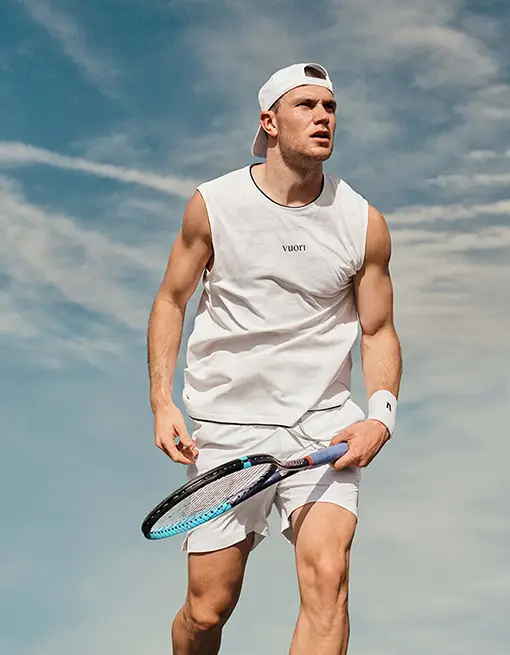
Vuori is the California brand that signed Jack Draper away from Nike in a multi-year deal ahead of the 2025 US Open. Their HardKore Short uses an ultra-lightweight ripstop shell for fast dry times and abrasion resistance, with a premium grid mesh liner inside for compression and breathability. The design philosophy is less about proprietary tech branding and more about honest construction quality. As Draper put it: “It lets me stay locked in and consistent. When I feel good, I can push harder.”
Under Armour Iso-Chill was covered earlier, but it’s worth stating here: the titanium dioxide ribbon-fibre approach is one of the most scientifically distinctive cooling technologies available in the market, and UA’s tennis range applies it directly in tops and polos.
UNIQLO remains the value benchmark. DRY-EX performs close to the premium tier at a fraction of the price.
Rhone (men’s) and their GOLDFUSION anti-odour technology round out the picture. Gold ions are permanently embedded into the fibre to neutralise odour-causing bacteria, and some reviewers consistently rate it among the most effective approaches available. Combined with raglan sleeve construction (no shoulder seam, so no pull during serves) and UPF 50+ protection, Rhone makes a good technical case at good prices.
Silver-ion treatments were once dominant but many brands are moving away from silver for environmental reasons.
On Running (backed by Federer, worn by Swiatek and Shelton) brings Swiss precision to fit and fabric engineering. Here it’s less noise around proprietary tech systems and more focus on garment construction that moves specifically with tennis motion.
8. The Future: What’s coming next?
Ok, some guesses here for the future. We’ll have to wait and see what actually can work not just in theory, but in practice, in the coming years.
Smart garments with biometric sensor integration are moving from research labs toward commercial reality faster than most people expect. Adidas announced a partnership with a textile innovator recently, specifically to develop fabrics with embedded sensors for real-time performance monitoring. The practical application in tennis: a shirt that continuously monitors skin temperature, heart rate and sweat rate, and feeds that data to a court-side coaching app. Some prototypes already exist in other sports.
3D knit construction Garments produced seamlessly on 3D knitting machines with no seams at all, it eliminates fabric friction in key areas entirely. It also produces less waste in manufacturing. This approach is already used in performance shoes among some brands.
Phase-change materials (some details here) are getting closer toward mainstream. When they arrive in a commercially available tennis wear (maintaining a genuinely stable skin temperature across a long match) it will be a very meaningful performance advance in this category.
AI-driven custom fit is being piloted by Babolat and others: scanning an athlete’s body and movement patterns to generate a garment cut that accounts for their specific biomechanics. This would probably take long time to reach the main markets.
Natural fibre innovation will accelerate as PFAS legislation tightens even more. Brands that have already been working with Woolmark and Merino will have a head start when synthetics face harder regulatory constraints, driving investment in high-performance natural alternatives that simply weren’t cost-competitive five years ago.
What to actually look for when buying new tennis wear?
The technology landscape right now is quite impressive, but the practical question is: what matters for your game, your court type and your climate?
If you play in heat, prioritise structural cooling (CLIMACOOL+, Aerogami vents, Iso-Chill) over basic moisture-wicking. Standard wicking keeps you dry; structural ventilation actively reduces your core temperature. That’s a different and better outcome in serious heat.
If odour management matters to you (and after a long three-setter it should), No-Stink Zinc™ (Lululemon) and GOLDFUSION (Rhone) are things to look at – both permanent, both ion-based, both meaningfully more effective than standard fabric treatments.
For UV protection, Lacoste’s 98% UVA/UVB blocking piqué is the best-in-class option for outdoor play, and you’ll find it in their match-ready competition kits.
Movement
For freedom of movement and long-term comfort, construction matters as much as fabric stretch. Flatlock or bonded seams reduce chafing during long sessions, while Nike’s repositioned shoulder seams, Lacoste’s raglan construction and Adidas’s FreeLift underarm panels all tackle the same problem – allowing unrestricted overhead movement without the shirt pulling across the shoulders. These are the kinds of details you’ll appreciate far more after three hours on court than after five minutes in a changing room.
Serious players notice poor seam construction quite fast, especially on the shoulders during serves or under the arms during hot matches, and details like this can explain why some shirts simply feel better than others.
Modern apparel uses different knit structures to create stretch in different directions. For tennis, that’s useful because serving, split-stepping, lunging, shoulder rotation all load the fabric differently.
Abrasion resistance
Clay players especially destroy shorts. Hard courts also wear clothing.
Ripstop constructions, yarn denier and reinforced high-wear panels are becoming more important.
| Need | Look For |
|---|
| Hot climates | CLIMACOOL+, Aerogami, Iso-Chill |
| Budget | DRY-EX |
| UV | Lacoste Ultra-Dry |
| Odour | ShowZero + No-Stink Zinc, GoldFusion |
| Long matches | Flatlock seams, bonded seams |
| Cooler weather | Slightly heavier GSM fabrics |
| Durability | Ripstop, reinforced panels |
And for the real tennis tech nerds who want the most technically advanced kit available right now: Adidas CLIMACOOL+ is new and genuinely different – one of the most significant recent departures from traditional fibre-based cooling technologies, available to buy in the London Collection from Tennis Warehouse for example (see banner below).