The ATP Tour, the governing body for men’s professional tennis, has announced a significant change to its rules by introducing a formal “heat policy” to protect players, officials and staff from extreme weather conditions. The new rule is set to take effect in the start of the 2026 season.
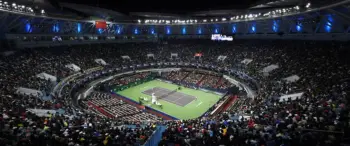
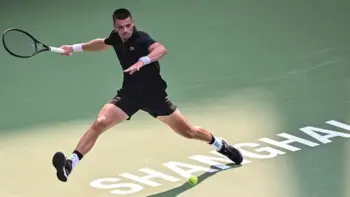
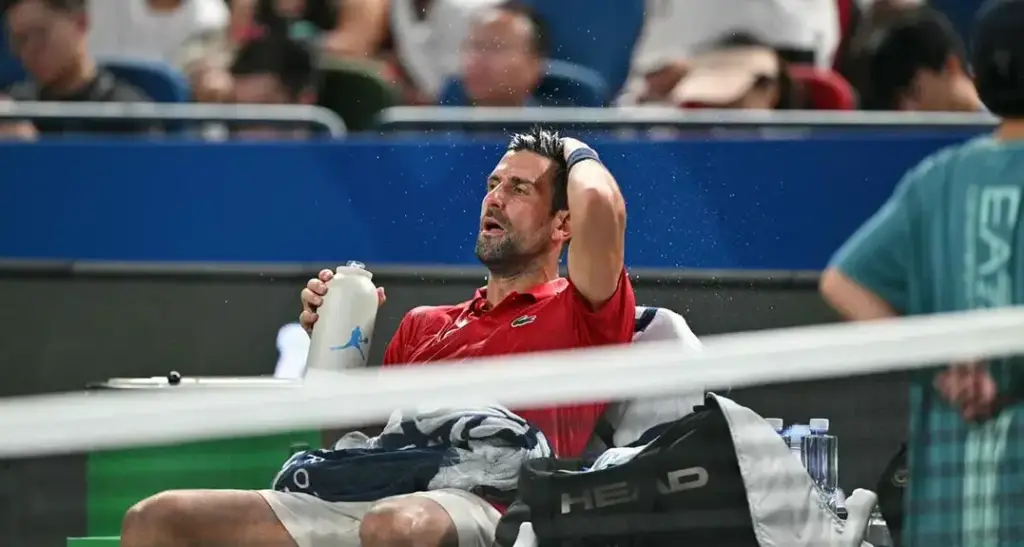
The move comes after several high-profile incidents this season, including player retirements and struggles with heat and humidity at several events like during the Shanghai Masters. The new policy aims to create a structured, medically-backed approach to managing matches in soaring temperatures.
Key Details of the New Heat Rule
The rule is based on the Wet Bulb Globe Temperature (WBGT) index , an internationally recognized measure that accounts for not just air temperature, but also humidity, wind speed, and the strength of the sun. This provides a more accurate reading of the stress placed on the human body.
The new policy sets out two clear thresholds for best-of-three-set singles matches:
- 10-Minute Cooling Break: If the WBGT reaches 30.1°C (86.2 °F) or higher during the first two sets, either player can request a 10-minute cooling break after the second set. Both players must take this break. During this time, players can hydrate, change clothing, shower and even receive coaching under the supervision of ATP medical staff.
- Suspension of Play: Play will be completely halted if the WBGT exceeds 32.2°C (90 °F)
Aligning with the Rest of Tennis
The introduction of this formal policy brings the ATP Tour in line with other major governing bodies in tennis. The WTA Tour has had a similar heat rule in place for decades, and the four Grand Slam tournaments also have their own established protocols for extreme heat and weather.
The ATP stated that the primary objective is to safeguard player health, while also improving conditions for all personnel involved in the tournaments.
The new structured approach replaces the previous system, where decisions on suspending play were left solely to the on-site ATP supervisor in consultation with medical teams.