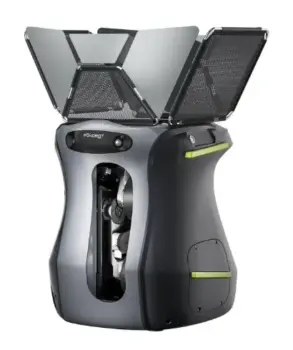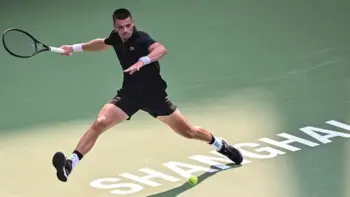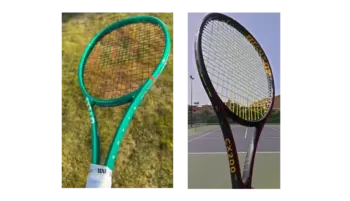
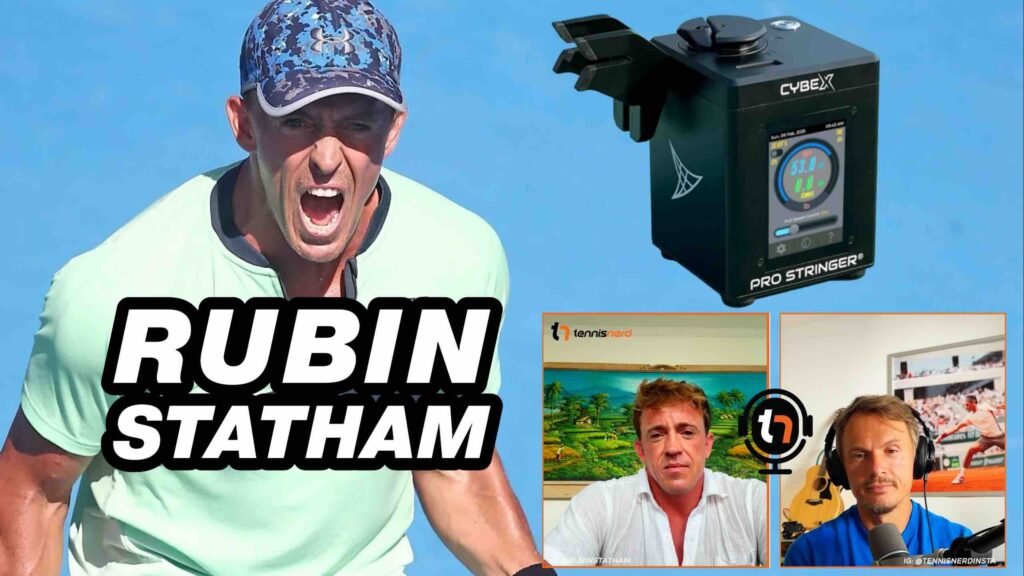
Rubin Statham’s story reads like a classic tennis hustle: a decade-plus on the road representing New Zealand in the Davis Cup, grinding out Challengers, then channeling all that lived pain (and string bills!) into a product players actually need. He retired in December and is now full-time at the helm of Pro Stringer. Pro Stringer makes portable, pro-grade stringing machines you’ve likely seen popping up in player lounges and, yes, even on trains.
You can hear about his story and Pro Stringer in our podcast episode below.
From Tour Problems to a Portable Solution
The origin myth is beautifully scrappy. Rubin and his twin were burning through one to two racquets a day on European clay. Their first two seasons racked up around $17k USD in stringing costs, which is brutal for players living week-to-week. They lugged a 30 kg drop-weight around, splitting it across bags and paying overweight fees, then wrestled inconsistent results from different stringers and different machines every tournament. That pain birthed the idea: make something small enough to travel with, but accurate enough to trust.
A chance meeting with a tennis-mad electronics engineer in Korea led to the first prototype. It wasn’t a business plan at first; it was just a way to cut costs and gain control. But players talk. Friends asked for units, their friends asked, and Pro Stringer turned into what it is today.
Who is Rubin Statham?
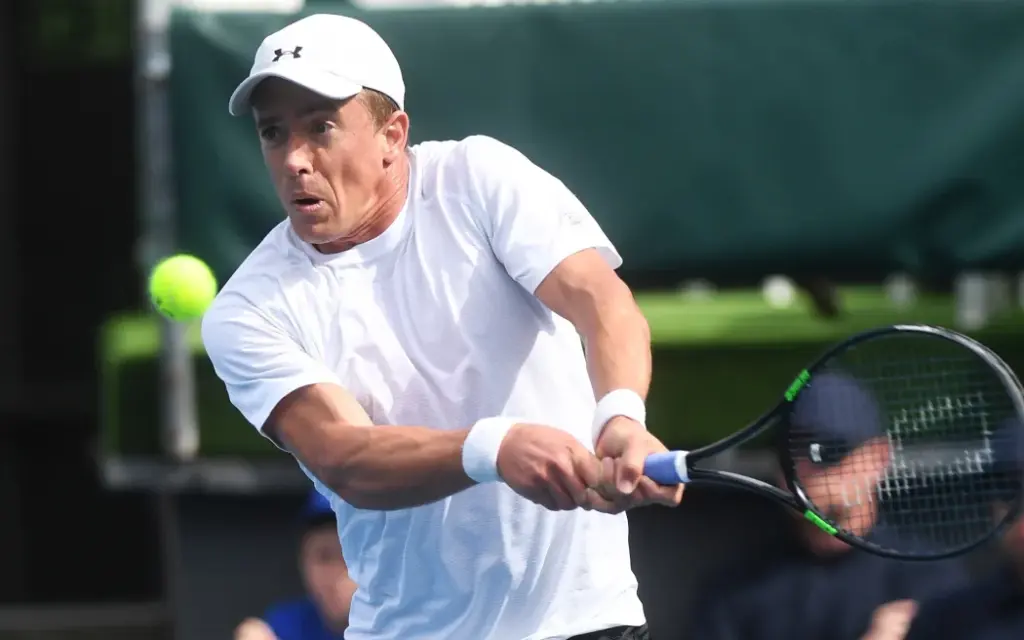
If you don’t know Rubin, you should. He played 21 years, representing New Zealand in the Davis Cup from the age of 17, and reached a career-high ranking of around No. 280 in singles and No. 130 in doubles. He logged notable wins, including beating Hyeon Chung on center court in Auckland and clinching a Davis Cup tie against Pablo Cuevas. He’s honest about missing those irreplaceable highs but is animated by leaving something useful to the sport.
Pro Stringer
Rubin’s long-term vision was consistent from day one: keep it ultra-portable, then push functionality until it rivals (or beats) the big, 60 kg Grand Slam rigs. Here’s where the machines stand today.
The Platinum Era (Platinum One, Two, Three)
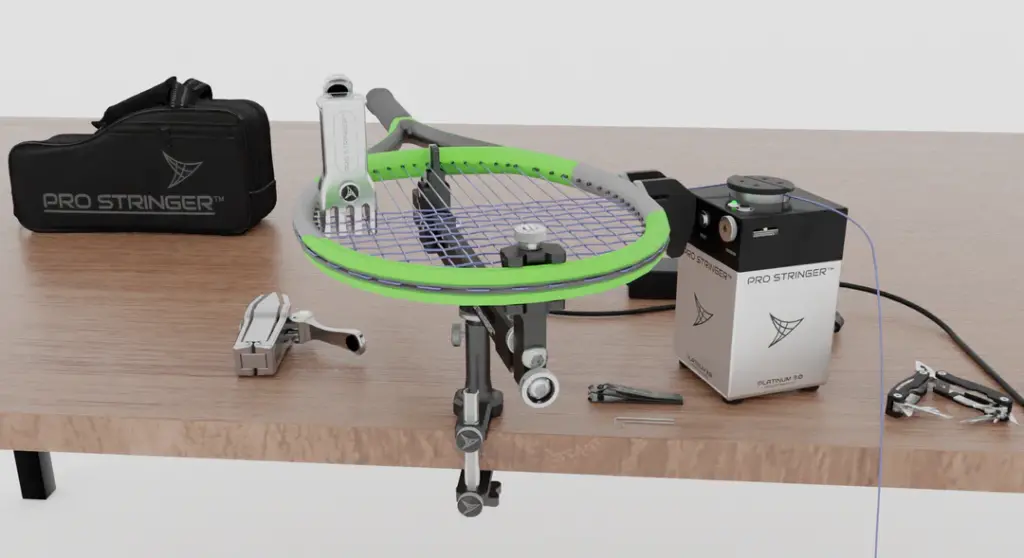
- Platinum One launched ~14 years ago and proved a 2 kg machine could tension reliably in real-world travel conditions. It put strings in racquets—safely—and started the refinement loop.
- Platinum Two iterated on durability and feel; Rubin kept batches small to incorporate pro feedback fast. He didn’t take investors to avoid development compromises, preferring a slower, player-driven evolution.
- Platinum Three (about a year and a half ago) effectively maxed the original platform; thousands of pros had already validated the concept week-in, week-out. If you want proven portability with mature ergonomics, Platinum 3 is still a workhorse.
Accessories born in the Platinum/Cybex bridge:
- Claws clamps: a new geometry that keeps every string perfectly straight—narrow and wide spacing—so your tension actually reads true across the bed. This is quietly a big deal for consistency.
- Modulix mounting: one ultra-portable system that can be configured as 2-, 4-, or 6-point mounting.
- Portable battery pack: eliminates PSU dependence. Players have literally strung on a train en route to an event.
- Stand (tournament/pro-shop): for those who want the upright, pro-desk look/feel; handy for event stringers used to a big footprint.
Cybex: The Vision, Executed
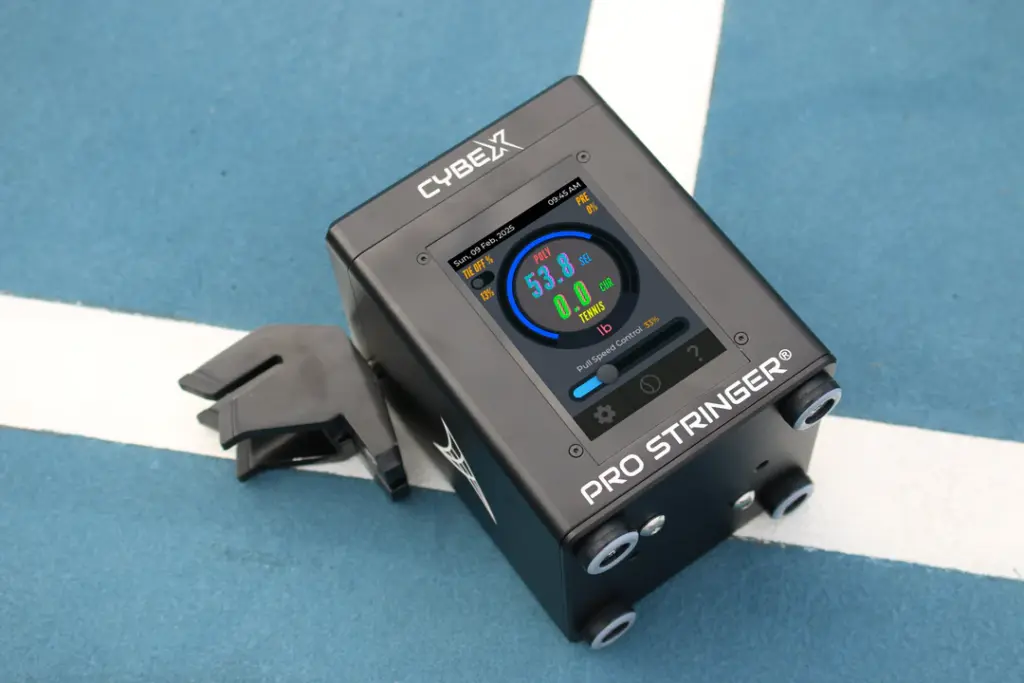
Headline: ~1.3 kg, touch screen, and more functionality than any stringing machine Rubin’s seen (software upgradeable). That last bit is the future as features can be added after purchase, so the machine evolves with you.
What’s inside today:
- 17 functions out of the box, with updates delivered via your phone. Think of Cybex like a “stringing OS” that can learn new tricks.
- Dual (multi)-tensioning: based on pro requests, Cybex can automatically re-tension the same pull 1–5 times to improve tension hold—no manual hacks required.
- Profiles & recall: save your exact recipes—string, tension, techniques—so 50/50 today means 50/50 anywhere, anytime. That’s mental peace in the third set tiebreak.
Why Cybex matters:
Stringing is personal. Materials, gauges, hybrids, tension references, sequencing…no two players are alike. Cybex doesn’t force a doctrine; it gives you options and logs what you like—then makes it repeatable on the road.
Who Should Choose What?
- Touring pros & serious juniors who travel: Cybex. The weight, the profiles, the update path, and functions like multi-tensioning make it the “set-and-forget” travel companion. Add the battery pack and you’re independent of venue power.
- Budget-sensitive string-your-own types, clubs, and frequent stringers who value proven simplicity: Platinum 3 + Claws + Modulex. Rock-solid, refined, and still absurdly portable, Modulex gives you the mounting flexibility you’ll want as string jobs vary.
- Tournament & shop stringers who want a familiar stance: Pair either machine with the stand for that pro-desk workflow and presentation.
What We Learned from Rubin
- Control is performance. Players without their own machine end up “triangulating” tensions weekly because different stringers, techniques, and machines all shift feel. Owning the process removes variables—vital when you crack a frame at 5–4 in the third and need the next stick to feel exactly right.
- Pro Stringer is purpose-led. Rubin turned down investors to keep development player-first, iterating in small batches and baking in feedback from people who string every day. That’s why features like multi-tensioning and better clamps exist.
- Giving back is part of the DNA. From discounts/sponsorships to sending machines to foundations in Zimbabwe and Uganda (and solving real-world power issues with a battery pack), the company keeps finding ways to lower barriers.
String Talk
Rubin’s take on strings is refreshingly un-dogmatic. There are many good polys now; the job is to test properly. String two racquets the same day at the same reference tension with different strings, then compare in the next session for a fair read. If you’re curious: Pro Stringer does offer Blue Steel (square, blue) and a round silver poly similar in feel to the classic you’re thinking about—but strings aren’t the company’s main focus. The machines are.
Final Thoughts
Rubin’s line that stuck with me: tennis is a tiny slice of life, and most pros—98%—will still need purpose after tour. Pro Stringer is his answer to that, and for the rest of us, it’s a very practical way to wrest back control of how our racquets feel, wherever we are. If you’ve ever lost because your “48” didn’t play like 48 that week, you know exactly why this exists.
Huge thanks to Rubin for the candid chat and for letting us geek out on clamps, mounts, and multi-tensioning. If you’ve strung in a weird place (beach? train? airport gate?), send it in—we’ll feature the best ones.
Quick Spec Snapshot (for the gearheads)
- Cybex: ~1.3 kg; touchscreen; 17 functions (and counting); smartphone-upgradable; multi-tensioning; profile save/recall; works with portable battery pack; designed for pros on the move.
- Platinum 3: Mature, travel-ready platform refined through years of pro feedback; pair with Claws and Modulex(2/4/6-point) for maximum consistency and flexibility; optional stand for shop/tournament setups.