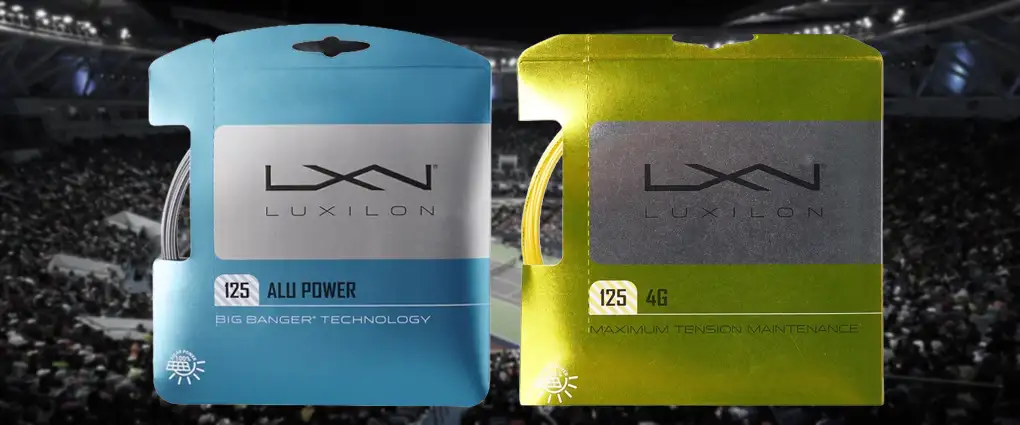
When it comes to high-performance polyester strings, Luxilon is the standard for many players. Two of their most famous offerings, ALU Power and 4G, are staples on the pro tour and at local clubs. However, they offer very different experiences on the court.
Here is a breakdown of how these two legendary strings compare.
Luxilon ALU Power: The “Feel” Benchmark
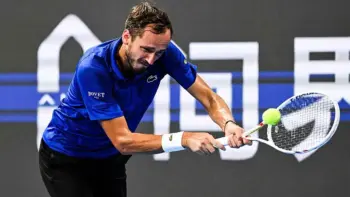
ALU Power is perhaps the most iconic string in tennis. It is famous for being the choice of legends like Roger Federer and Novak Djokovic (if we count Alu Power Rough).
- Feel & Feedback: Its standout feature is its unique “crisp” feel. It provides excellent ball pocketing and direct feedback, letting you know exactly where you hit the ball on the stringbed.
- Power: It offers a surprising amount of “pop” for a polyester string. It’s a medium-powered string that rewards aggressive swings.
- Spin: While it is a round string (not shaped), it provides great snapback and slickness, leading to a penetrating, heavy ball rather than loopy topspin.
- The Downside: Performance durability. While the string is physically tough, it loses its “magic” feel and tension quickly. After 8–10 hours (for most club players), it can feel dead or springy. Pros restring all the time, so do not need to consider the durability of the string in the same way.
Luxilon 4G: The “Control” Workhorse
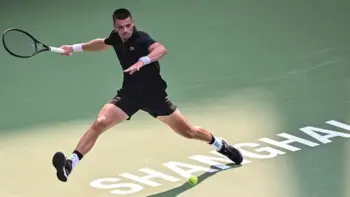
Luxilon 4G was designed with one primary goal in mind: tension maintenance. It is the go-to for players like Alex De Minaur and Grigor Dimitrov, but in both cases used in a hybrid setup with natural gut.
- Control & Predictability: 4G is much stiffer than ALU Power. It provides a “locked-in” feel that gives players 100% confidence to swing out without fear of the ball flying long.
- Tension Maintenance: This is where 4G beats almost every other poly on the market. It holds its tension and playability for much longer than ALU Power, making it more “performance durable” for players who don’t restring every day.
- Feel: The feel is firm and somewhat muted. You don’t get the same “plush” pocketing as ALU Power; instead, you get a very consistent, wire-like response.
- The Downside: Comfort. Because it is a very stiff string, it can be harsh on the arm. It is not recommended for players with a history of tennis elbow unless used in a hybrid setup.
| Feature | Luxilon ALU Power | Luxilon 4G |
| Primary Benefit | Feel and “Pop” | Control and Tension Stability |
| Stiffness | Medium-Stiff | Very Stiff |
| Playability Duration | Short (drops off quickly) | Long (stays consistent) |
| Best For | Advanced players seeking feel | Big hitters seeking reliability |
Which one should I choose?
Choose Luxilon ALU Power if: You want the best possible feel and responsiveness for the first few hours of play. It is perfect for competitive players who are willing to restring often to maintain that “pro” sensation of power and control.
Choose Luxilon 4G if: You are a hard hitter who breaks strings or hates the “baggy” feeling of a string that has lost its tension. If you want a string that feels the same in the tenth hour as it did in the first, 4G is the better choice.
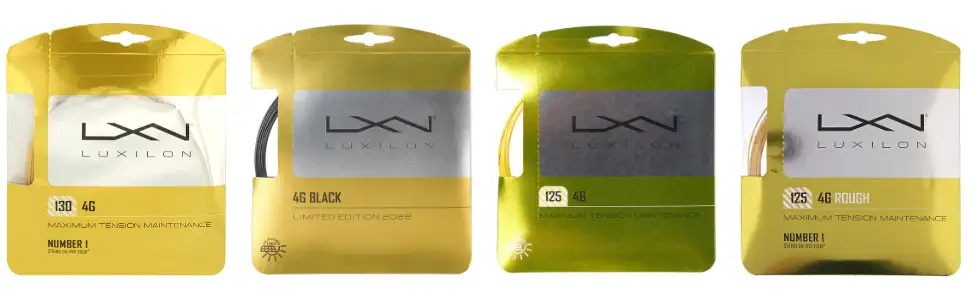
For players concerned about comfort, we often recommends trying the “Soft” versions of these strings or using them in a hybrid setup with a softer multifilament or natural gut. Keep in mind that Luxilon 4G Soft is still pretty firm, while Alu Power Soft is relatively arm-friendly.