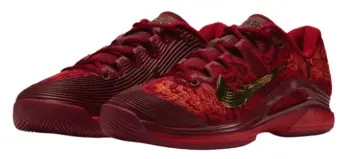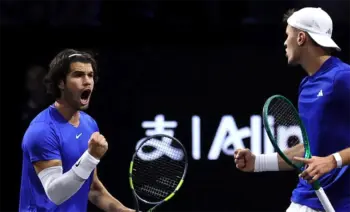

In tennis, more money is often made from brand endorsements by top players than from competitions. The top ten tennis players in terms of revenue generated collectively earned $285 million in 2025, representing a 16% increase from last year, according to Forbes magazine statistics. Over 50 percent of the total sum was earned through endorsements rather than winnings.
What Is Tennis Sponsorship?
A tennis sponsorship is when a brand enters into an agreement where it provides a player with money in exchange for advertising its production. The corporation promotes its brand name using the clothes that athletes wear, advertisements placed on the sides of courts, television commercials, social media, and marketing campaigns. Athletes receive their salaries, tournament winners earn their prize money, and sponsors target a profitable demographic via tennis athletes.
Why Sponsorship Is Crucial for Tennis
Who sponsors tennis and how much they invest determine the health of the entire sport. The majority of the income generated by Grand Slams comes from broadcasting rights and sponsorships. If considering the careers of the players, their income from sponsors may be vastly different from what they earn from victories in tournaments.
Types of Tennis Sponsorship
There are three classifications of tennis player sponsors within the ecosystem. Similarly, the bonuses can be extra rewards for players in gambling. The informational site Slotozilla covers all their main types. Particularly, in the welcome bonus review, Australians can find the ones with the biggest percentages, lowest wagering conditions and favourite qualifying games. Therefore, casino gamblers can make good use of their incentives, just like tennis players benefit from their sponsorships.
Player Sponsorships
Personal sponsorships constitute the most prominent type of tennis sponsorship. It typically includes clothes, tennis rackets, shoes, and other lifestyle accessories. According to Tennis Majors, the main segments include the following:
- Apparel deals: Nike, Adidas, Uniqlo, New Balance, Lacoste.
- Racket sponsorships: Wilson, Babolat, Head, Yonex.
- Watch sponsors: Rolex, Richard Mille, TAG Heuer).
- Luxury brands: Louis Vuitton, Gucci, Dior, Tiffany.
- Automotive, financial, and tech partners: variable.
A top-10 player earns up to $40 million. Sponsorships for players who are not part of the top 100 are mostly restricted to providing equipment and apparel deals amounting to around $50,000-$200,000 per year.
Tournament Sponsorships
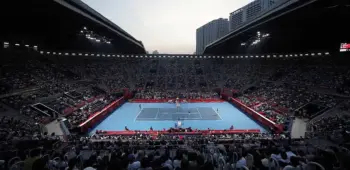
Tennis tournament sponsors continue to appear. The Grand Slam events hold naming rights for their respective court names, like Emirates Stadium at the US Open. The Rolex Shanghai Masters tennis tournament, directly named after its sponsor, is also an example. The venues at which ATP Masters 1000 events take place are named after the event title, which in turn has the sponsor’s name.
Brand and Media Partnerships
But there are also certain transactions that fail to leave any mark on the t-shirt. Service providers of platforms, analytics, and data work hand in hand with ATP, WTA, and other national bodies for providing broadcasting solutions and fan applications. Invisibility to many fans is precisely how such partnerships enable the very creation of the broadcasting platform itself.
Top Tennis Sponsors in 2026
The biggest tennis sponsors in 2026 represent a mix of sportswear giants, luxury houses, and financial services firms. Based on The Big Lead’s analysis and Sportico’s reporting, the most active brands include:
| Brand | Category | Key players sponsored |
| Nike | Apparel/Footwear | Alcaraz, Osaka, Sabalenka |
| Rolex | Watches | Alcaraz, Sinner, Federer |
| Lacoste | Apparel | Djokovic (since 2017) |
| Uniqlo | Apparel | Federer ($30M/year through 2027) |
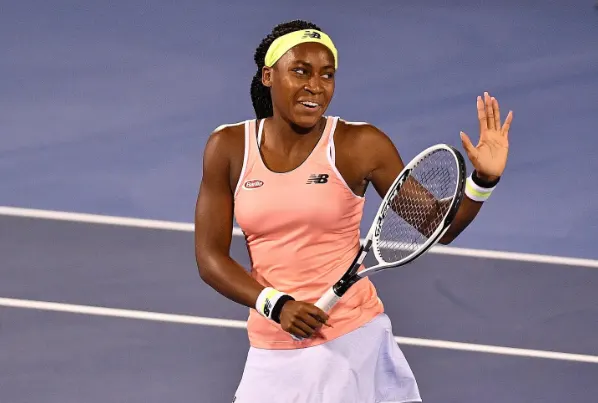
| New Balance | Apparel/Footwear | Gauff |
| Gucci | Luxury | Sinner |
| Louis Vuitton | Luxury | Alcaraz |
| Babolat | Rackets | Alcaraz (through 2030) |
| Head | Rackets | Djokovic, Sinner |
Nike remains the dominant force. As The Big Lead notes, the brand invests heavily in next-generation stars and secures the post-Big Three future of tennis players.
How Much Do Tennis Players Earn from Sponsors?
How much tennis players make from sponsors depends almost entirely on ranking, marketability, and cultural reach. Forbes data shows the 2025 earnings breakdown for the top five:
- Carlos Alcaraz: $35 million in sponsorships ($48.3M total).
- Jannik Sinner: $27 million in sponsorships ($47.3M total).
- Coco Gauff: $25 million in sponsorships ($37.2M total).
- Novak Djokovic: $25 million in sponsorships ($29.6M total).
- Aryna Sabalenka: $15 million in sponsorships ($27.4M total).
After the top 20, there is a drop-off in the level of pay received. According to CapitalRally, most of those ranked in positions 20 through 50 may count on partnerships costing $3-8M annually.
How Sponsorship Influences Player Careers
High-profile top tennis sponsors have an important part to play in crafting a successful career that is much more than just earning money. Being signed by Nike will mean that a promising tennis player will gain exposure in each Grand Slam from their clothes, as shown on TV and social media.
According to Sportico, Coco Gauff established Coco Gauff Enterprises in April 2025 through the efforts of her talent agency, WME. Therefore, she became an entrepreneur controlling a number of brands herself, as opposed to just being a sponsored sportsman.
The Evolution of Sponsorship in Tennis
The tennis sponsorship landscape has changed tremendously during the last three decades. In the 90s, agreements revolved around rackets and footwear. There have been three significant turning points in this transformation:
- The contract between Federer and Uniqlo in 2018, worth $300 million according to Tennisnerd net, was the standard-setting contract.
- Equalizing income for women as compared to men, evidenced by Gauff, Osaka, and Swiatek being on the list of the top 10 earners despite their gender.
- Changing from simple endorsements to equity partnerships, where players own shares (Federer owns shares in On Running, Gauff has shares in the Unrivaled basketball league).
In the 2000s, luxury watches joined the fray. In the 2010s, lifestyle brands became more prevalent. The 2020s saw the arrival of tech brands, cryptocurrency companies, and DTC brands.
New Trends in Tennis Sponsorship in 2026
A few trends are developing within the tennis sponsorship scene in 2026. According to The Big Lead, there is a market where winning major tournaments creates credentials, but inspiring the world generates more wealth. Current trends reshaping the industry:
- Social media power carries equal weight to rankings in decision-making processes on behalf of brands: how many followers and how active they are determine contract size.
- Luxury brands (Louis Vuitton, Gucci, Dior) are increasing their involvement in tennis due to its wealth-oriented fanbase.
- Players’ own businesses are taking the place of agencies, and Gauff’s new business venture is an indication of that trend.
- Regional companies sponsor players (Oshee supports Swiatek, Lavazza and De Cecco support Sinner).
Tennis sponsors are key components without which tennis would not be possible, from grassroots competitions to Grand Slam matches. The top 10 tennis players earn two to four and even more times more money from endorsements than from winning competitions. Tennis itself receives the necessary funding from companies to conduct its events.