Tennis teaches touch and spin under pressure. It does not prepare you for golf prices or watching a new ball sail over a boundary fence. The first challenge is deciding which expenses can wait.
Andy Murray has treated retirement as though somebody handed him another ranking to chase. Less than two years after ending his tennis career at the Paris 2024 Olympics, he has worked his golf handicap down to one. His new obsession with golf can involve four or five hours of practice on a weekday, with lessons and winter rounds added to the schedule.
Most newcomers have nothing resembling that amount of time. You may have 40 range balls after work and nine hurried holes on Sunday. Improvement will be slower, misses will remain unpredictable for longer and your purchases should account for that messier learning process.
Golf Can Empty the Wallet Before the First Tee
A can of tennis balls and a restring are familiar expenses. Golf presents an entire storeroom of possibilities. A current Titleist driver can cost more than $600 before you have bought a bag, wedges or shoes. Putters extend from secondhand bargains to models priced like a weekend away.
None of that equipment knows you have just begun. A used driver from a local pro shop may be two generations old and $300 cheaper, but its forgiveness has not expired. Its previous owner may even have paid for the depreciation. Borrowing a half-set is even more sensible for the first range session. Twelve clubs are unnecessary when you are still discovering whether a 7-iron travels 110 yards or 150.
Spend early money on one lesson. A professional can check grip and alignment before an improvised movement becomes stubborn. That purchase remains useful after the latest driver has been replaced.
One Ball Wears Out; the Other Goes Missing
Tennis balls announce their decline. Their felt becomes untidy and the bounce loses conviction. Even then, the old ones usually reach a coaching basket rather than disappearing into a pond.
A golf ball can remain playable for several rounds. The problem is keeping it. New golfers produce wide misses because strike and clubface direction change without warning. One drive finishes in the fairway; the next crosses a cart path and enters somebody’s backyard.
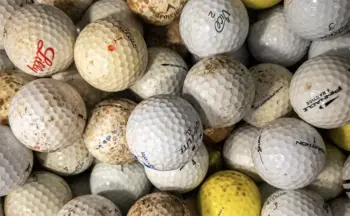
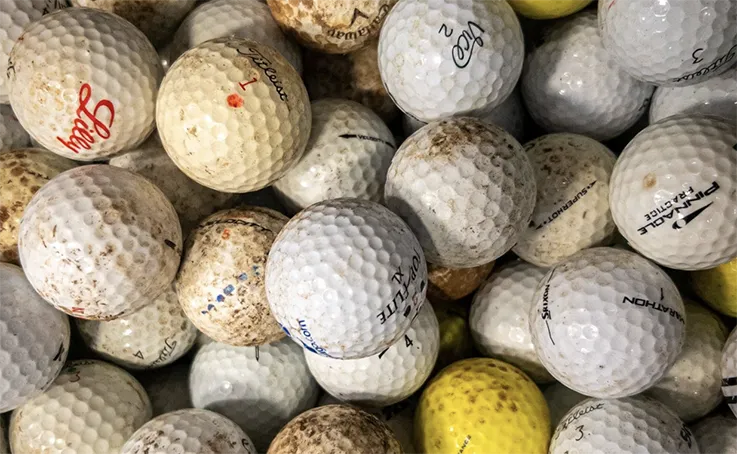
That makes used golf balls the smartest first purchase for a tennis player entering golf. Used golf balls for beginners make sense because recognizable models remain affordable during the period when lost golf balls are part of almost every scorecard. One difficult nine holes can consume a sleeve of three.
The Grade Reveals More Than the Logo
Courses recover balls from ponds and the rough beside fairways. They are washed before being sorted by model and visible condition. Mint grades should show little evidence of play. Lower grades may carry discoloration or surface marks and are therefore better suited to practice.
Bounce a tennis ball before serving and a tired one reveals itself immediately. Golf offers no equivalent warning. You may only suspect a compromised ball when a well-struck drive finishes five yards behind your playing partner’s, despite normally carrying the same distance.
That uncertainty makes the distinction between recycled and refinished balls worth understanding. Recycled golf balls retain their original covers and factory markings. Refinished balls undergo cosmetic work, commonly involving new paint and a clear coating. A polished exterior does not reveal how faithfully the product underneath matches its label.
Premium used golf balls with intact covers can deliver the same feel and performance as new versions at a fraction of the retail price. Used Titleist golf balls allow you to learn the short-game response of a Pro V1 without treating every slice as a financial incident. Used Callaway golf balls offer the same opportunity with familiar Chrome Soft models. Pick one model rather than an assorted bucket, then learn whether it checks or releases from a chip.
Your Forehand May Send the Driver Right
Hand-eye coordination transfers well. Tennis footwork can also help you remain balanced through impact. The swings themselves are less cooperative.
A topspin forehand encourages you to brush upward across the back of the ball. Take that instinct to the tee and an open clubface can meet an out-to-in path. For a right-handed golfer, the resulting slice begins hopefully before peeling toward the rough.
Golf also removes the opponent. Nobody sends you pace to redirect, so you must create speed from a stationary ball without lunging at it. That pause can feel strangely unnatural to somebody accustomed to reacting.
Let Your Game Earn the Next Upgrade
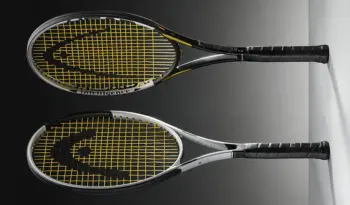
Experienced tennis players know how quickly equipment preferences become personal. A recent guide to spin, control and power setups observes that tennis lacks golf’s extensive custom-fitting culture. A fitting can be revealing, but the numbers do not require an immediate purchase.
Begin with forgiving used clubs and balls you can afford to lose. When your strike becomes repeatable, you will know what genuinely needs replacing. Murray has four hours to investigate an imperfect swing. Your budget should not assume that you do too.