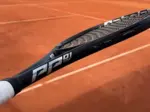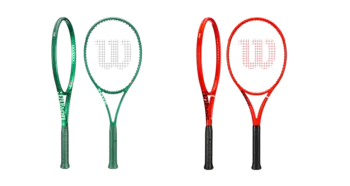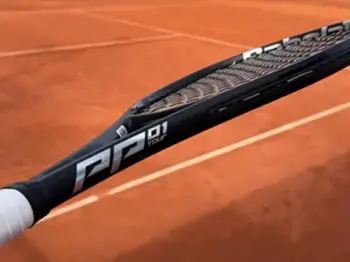
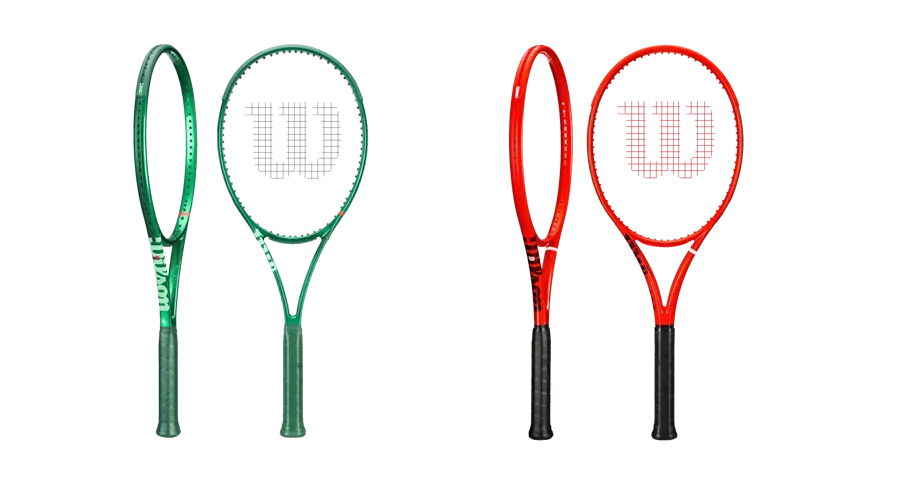
The Wilson Defyer and Wilson Blade represent two very different philosophies in racquet design. The Blade is a refined, proven control racquet that’s been perfected over multiple generations. The Defyer is newer, fresher, and sits somewhere between a control racquet and something with genuine spin and launch assistance.
So which one is actually right for you? Let’s dive into what separates them.
The Core Difference – Defyer vs Blade
The simplest way to describe it: the Blade is a pure control racquet. The Defyer is a control racquet that wants to help you more, especially in terms of height over the net (and some more depth).
The Blade (especially the Blade 98) demands you generate your own pace and spin. It rewards precision and punishes poor technique. It’s direct, connected, and asks you to do the work.
The Defyer, particularly the P100, offers more forgiveness, more power, and more spin without sacrificing control. It sits in that sweet spot between raw precision and genuine playing assistance. Check our full review of the Wilson Defyer P98 and P100.
If you’re coming from a Blade and find yourself constantly fighting for depth and wishing you had more launch, the Defyer might feel like an upgrade. If you love how direct the Blade feels and want that clarity of feedback, switching to the Defyer could feel like a step backward.
Feel and Response
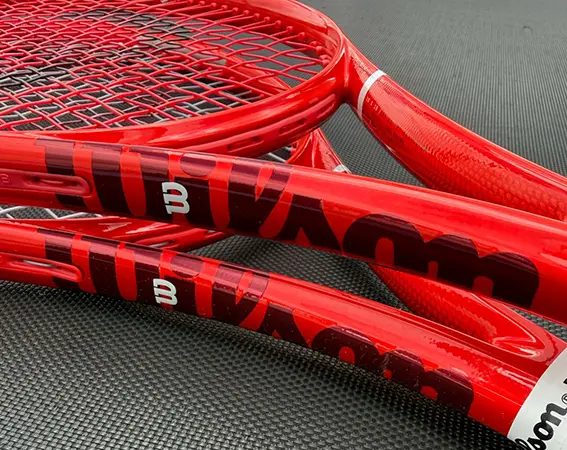
The Blade V10 is crisp and connected. When you hit the center, you feel it. Sure, there are some dampening/foam there, but you do feel in control of your shots. When you hit off-center, you definitely feel that too – the feedback is honest. The muted response helps with control, but there’s still a directness to the feel. It’s almost unforgiving in how clear it is about what you did wrong.
The Defyer, on the other hand, is noticeably plush and more dampened. The SI3D technology creates a somewhat muted sensation that feels similar to HEAD’s Auxetic tech. This actually works in its favor – the softer feel is easier on the arm and the muted response means off-center hits don’t feel as harsh.
If you like a dead, connected feel, choose the Blade. If you prefer something that cushions the feedback a bit, the Defyer wins.
Power and Launch
Here’s where the biggest gap appears.
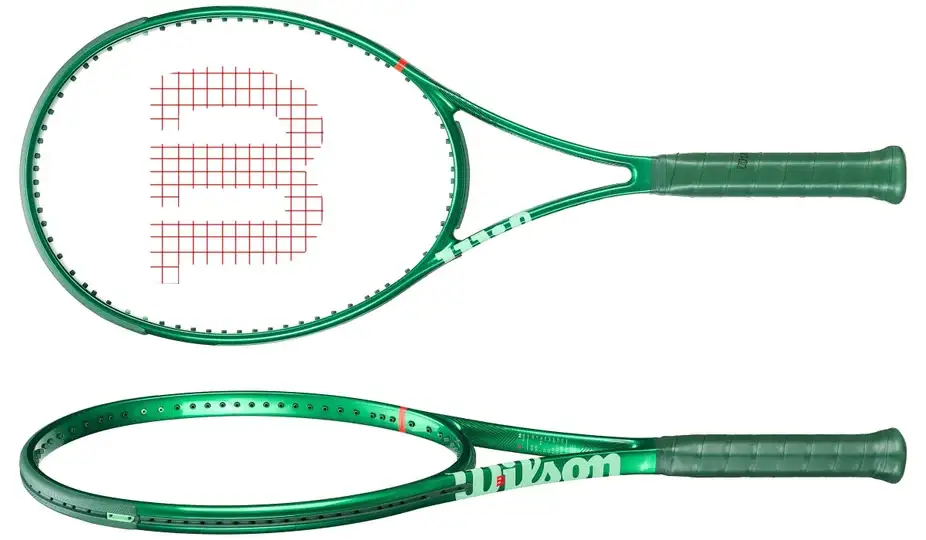
The Blade is not a power racquet. It will give you a small bump in power compared to older generations, but it remains fundamentally a control tool. You’ll get depth through better positioning and timing, not through racquet assistance.
The Defyer is measurably more powerful and has a notably higher launch angle. It’s not a pure power frame like the Pure Drive, but it’s genuinely easier to get the ball deep into the court. For the P100 especially, you get the forgiveness of something like the Wilson Ultra 100 but with control closer to a Blade.
If you’re 40+ or looking for extra assistance with depth, the Defyer P100 is the more practical choice. If you’re a young, athletic player who likes flat balls and small margins, the Blade suits you better.
Stability and Torsional Rigidity
The Blade V10 improved this through a thicker beam, and it shows. There’s less “wobble” on off-center hits compared to earlier versions. The whole racquet feels more solid, especially in the hoop.
The Defyer P98 actually needs weight added to match the Blade’s stability – that’s a real weakness out of the box. The P100 is more stable, but still doesn’t quite match the Blade’s sheer solidity.
If stability is your priority, the Blade wins. But this matters less for most players than you’d think.
Spin Generation
This is where things get interesting.
The Blade can absolutely generate spin – the 16×19 pattern is quite spin-friendly for a control racquet, the 18/20 is as precise as they come. But you have to work for it. You’re not getting crazy easy spin; you’re generating it through technique.
The Defyer spins easier. The launch angle and power assistance naturally create more topspin, even without trying. This is actually a strength for rallying – whatever you can get on your rally ball, take it, as Sebastian Korda said.
For a heavy topspin player who lives off the baseline, the Defyer is the smarter choice. For someone who prefers flat balls and redirecting pace, the Blade makes more sense.
String Pattern Considerations
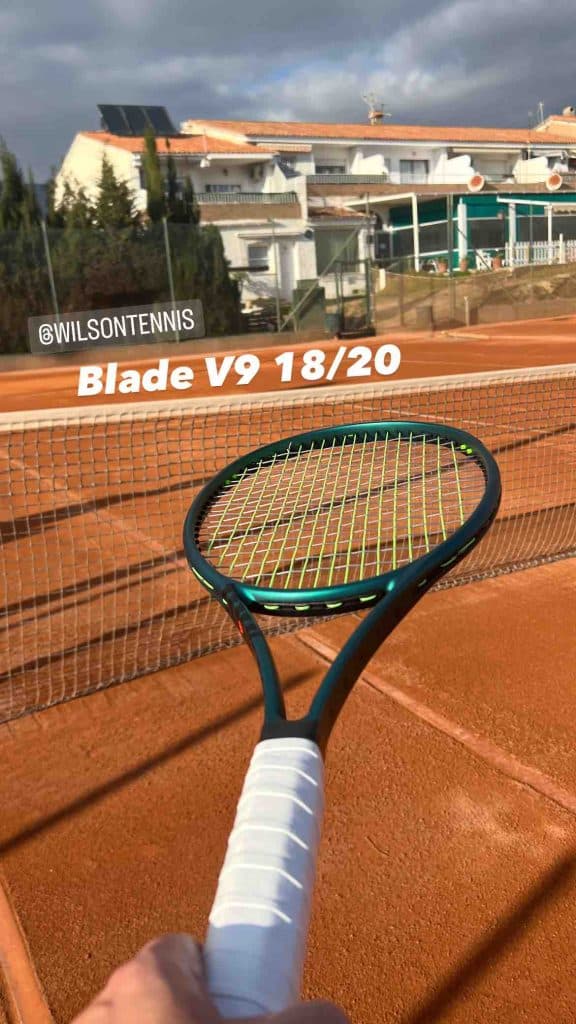
The Blade offers 16×19 and 18×20 options in the 98. The 16×19 is the pick for most players – easier to use, more forgiving, better access to spin. The 18×20 is a precision tool for advanced players willing to accept reduced forgiveness.
The Defyer comes in P98 and P100. The string pattern is the same (16×20), so you’re choosing based on head size, not pattern. This makes it simpler, but also removes the precision option that the Blade’s 18×20 provides.
Customization Reality
The Blade can be played stock and it works fine. It doesn’t demand customization, though some players add weight for more stability.
The Defyer P98 pretty much requires weight addition to play your best. At least 4 grams at 3 and 9 is standard. If you’re not into customization, the P100 is a better choice because it doesn’t need it.
This is a real consideration. The P98 isn’t a grab-and-go racquet.
Who Should Choose the Blade?
The Blade V10 is for players who:
- Want pure control and directional precision
- Enjoy generating their own pace and spin
- Prefer a connected, honest feel that tells you exactly what you did
- Are willing to arrive well-positioned and time their shots correctly
- Play at 4.5+ level or compete seriously
The Blade doesn’t apologize. It’s a precision tool. If you want that connection and control, nothing really compares.
Who Should Choose the Defyer?
The Defyer (especially the P100) is for players who:
- Want control without sacrificing too much power and spin
- Appreciate a softer, more forgiving feel
- Benefit from extra launch assistance
- Are coming from a Blade and want more help
- Play serious club tennis but don’t live in the baseline rabbit hole like pros do
Also, don’t miss our video review for the Defyer, below:
The Verdict
If I had to sum it up: the Blade is still one of the best control racquets on the market. It’s a classic for a reason. The Defyer is a very good bridge between control and power that suits a lot of players better in reality.
For young, athletic, technically sound players: Blade.
For everyone else looking for a control racquet that also helps you: Defyer P100.
That said, if you’re a Blade player and happy with it, there’s zero reason to switch. The Defyer isn’t better – it’s different. And different isn’t always better.
Test both. You’ll know immediately which one feels right in your hand.
To purchase any of these frames head over via these links to the Wilson official site or at our partners at Tennis Warehouse Europe (TNERD10 for a 10% discount) or Tennis Warehouse (US, Canada).